

Welcome to our blog! We share the charm and differences of traditional Japanese fashion, including Kimono, Yukata, and Furisode.
Kimono & Traditional Wear

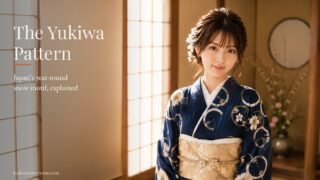
Yukiwa Pattern: The Meaning Behind Japan’s Snow-Ring Kimono Motif

What does the yukiwa (snow-ring) pattern mean, and why can it be worn year-round? Discover its Heian-era origins, symbolism of good fortune, and modern uses on kimono and yukata.
Kimono & Traditional Wear

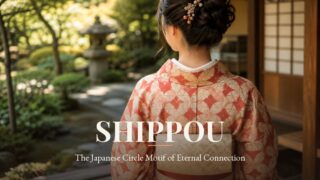
Shippou Pattern: The Japanese Circle Motif That Symbolizes Eternal Connection

Shippou tsunagi, Japan's connected-circle pattern, symbolizes harmony, lasting bonds, and prosperity. Discover its meaning, history, and use on kimono and obi.
Kimono & Traditional Wear

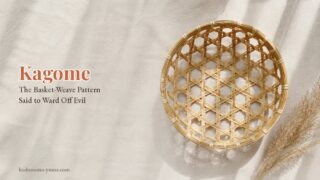
Kagome Pattern: The Japanese Basket-Weave Symbol of Protection

Discover kagome, the hexagonal basket-weave pattern rooted in Japanese folklore as a symbol of protection — and how it's worn and displayed today.
Kimono & Traditional Wear

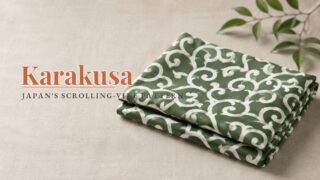
Karakusa Pattern: Meaning, History & How to Wear It

Japan's karakusa pattern is an endless scrolling vine carried along the Silk Road. Discover its meaning of longevity and prosperity, its variations, and how to wear it.
Kimono & Traditional Wear

Kikko Pattern Meaning: Japan’s Tortoise-Shell Design

Discover kikko, Japan's tortoise-shell pattern: the meaning behind its interlocking hexagons, elegant variations like bishamon kikko, and its link to Demon Slayer.
Kimono & Traditional Wear

Yagasuri Pattern Meaning: Japan’s Arrow-Feather Design & Taisho Style

Discover the meaning behind yagasuri, Japan's bold arrow-feather pattern. Learn its symbolism of moving forward, its link to Taisho-era hakama style, and how color changes its mood.
Kimono & Traditional Wear

Uroko Pattern Meaning: Japan’s Fish-Scale Design & Zenitsu

Discover the uroko (fish-scale) pattern—its meaning of protection and rebirth, its history in Japan, and why Zenitsu wears it in Demon Slayer.
Kimono & Traditional Wear

Ichimatsu Pattern: Meaning, History & the Demon Slayer Connection

The ichimatsu (checkerboard) pattern is more than Tanjiro's haori in Demon Slayer. Discover its real meaning, its long history, and how to wear this classic Japanese design.
Kimono & Traditional Wear

Seigaiha Pattern: Meaning, History & How to Wear It

Discover the meaning, history, and symbolism of seigaiha, Japan's blue wave pattern — plus how to wear it on kimono and yukata, and why anime fans know it.
Kimono & Traditional Wear

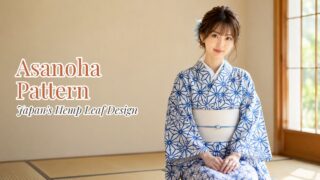
Asanoha Pattern: The Meaning of Japan’s Hemp Leaf Design

Asanoha is Japan's hemp leaf pattern, famous from Demon Slayer's Nezuko. Learn its meaning — healthy growth and protection — plus its history and where it appears.
Sponsored