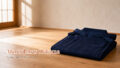
Have you ever heard of hakama pants? Lately, these wide, flowing trousers — inspired by Japan’s traditional 蒂 hakama — have been quietly winning over fashion lovers around the world.
They’re a little different from the crisp, formal hakama you see at graduations or in martial arts. These are made to be worn as everyday clothing: easy to move in, comfortable, and quietly elegant. Today, let’s walk through what hakama pants are, how to choose a pair, and how to style them.
What Are Hakama Pants?
Let’s start with the basics. A traditional 蒂 hakama is a pleated, formal garment worn over a kimono — the kind you’ll see at graduation ceremonies, on Shinto priests, and in martial arts like kendo and aikido.
Modern hakama pants take the best parts of that garment — the wide silhouette, the deep pleats, the relaxed, roomy feel — and translate them into trousers you can actually live in. If you want the full story on traditional hakama, its history and its many types, we cover all of that in our complete hakama guide. This article stays focused on hakama pants as a piece of modern fashion.

So why are they catching on with Western fashion fans? The answer is simple: they feel free and unrestricted, yet they still look composed and put-together. As minimalist Japanese fashion continues to draw attention worldwide, this balance of comfort and grace is exactly what people are looking for.
Traditional Hakama vs. Modern Hakama Pants
Before we go further, let’s clear up how the traditional garment and the modern pants actually differ.
| Traditional Hakama | Modern Hakama Pants | |
|---|---|---|
| Silhouette | Designed to be worn with a kimono, with a set length and structure | Free-standing pants that pair with tees, knits, and blouses |
| When you wear it | Ceremonies, formal occasions, martial arts | Work, outings, everyday life |
| Putting it on | Requires knowledge of kimono dressing | You simply pull them on |
That last row is the biggest difference of all. Traditional hakama takes real skill to put on, while hakama pants ask nothing more than stepping into them. That’s what makes them so easy for beginners to bring into a wardrobe today.

Types of Hakama Pants
Not all hakama pants are the same. They come in a few different styles depending on the fabric and the mood you’re going for.
Muji Hakama Pants
A big part of what made hakama pants feel approachable was Japanese minimalist brands like MUJI. With their plain, unfussy designs and easy wearability, these have become a beloved “first pair” for people all over the world. If you’re trying hakama pants for the very first time, a simple solid color like this is a hard one to get wrong.

Cotton & Linen Hakama Pants
Cotton and linen versions are breathable and made for everyday wear. They really shine in spring and summer, when their light, airy feel keeps you cool. This is the direction to go if you want something casual and relaxed.

Silk Hakama Pants
Move up to silk, and the whole look becomes refined and special. That soft, liquid drape is beautiful, and it dresses up easily for a polished outfit or a slightly more formal occasion.

Wide-Leg “Hakama Style” Trousers
Even when they aren’t called “hakama,” plenty of brands make wide-leg trousers that borrow those deep pleats and generous silhouette. Don’t get too caught up in the name — sometimes it’s perfectly fine to shop by the shape you love.
Hakama Pants for Women
For women, the real charm of hakama pants is how forgiving they are. The wide pleats skim right over the line of your legs, so you look streamlined and get to move freely. For tops, tuck in a compact knit or a blouse to balance your proportions and lengthen the look. Flats or heels both work, but a pair of geta or sandals adds a lovely touch of Japanese flavor.

Hakama Pants for Men
Hakama pants for men are having a moment too. A solid, wide-leg pair with a simple tee or shirt is all you need. Think of it as something completely separate from the traditional martial-arts hakama — a relaxed, urban style that’s easy to wear.

Colors & Patterns
The classics are, of course, black and white. Black hakama pants are sharp and endlessly versatile, while white ones feel light and summery. If you’re ready to try a pattern, thin stripes or subtle Japanese motifs pair beautifully with the hakama silhouette. A good order to build your collection: start with black, then branch into white and prints once you’re comfortable.

How to Style Hakama Pants
Here are a few styling tips, season by season. In spring and summer, go light with linen hakama pants, a white top, and sandals. In autumn and winter, warm things up with a wool-blend pair, a knit, and boots. The one rule that ties it all together: keep your top compact. A wide bottom looks best when the upper half stays a little streamlined. Add one Japanese-inspired accent — a woven basket bag, or a kanzashi-style hair piece — and that “Japanese minimalist” mood really comes through.

When in doubt, pair your hakama pants with a fitted top and one natural-material accessory. It’s a formula that works across almost every season.
Where to Buy Hakama Pants
As for where to find them: Japanese brands like MUJI are an obvious starting point, but these days a quick search for “hakama pants” turns up plenty of options in online shops around the world. When you’re choosing, check three things — the fabric (does it suit the season?), the waist (elastic or tie?), and the length (right for your height?). Keep an eye on those, and you’ll rarely go wrong.
Frequently Asked Questions
What are hakama pants called in Japan?
They’re usually just called 蒂パンツ (“hakama pants”), and they’re understood as something distinct from the traditional ceremonial hakama.
Are hakama pants comfortable?
Very. Because they’re wide and roomy, there’s no pinching or tightness, so they’re easy to wear comfortably all day long.
Can you wear hakama pants casually?
Absolutely. Most modern hakama pants are made specifically for everyday wear, so you can bring them into your regular wardrobe with no hesitation.
Are hakama pants only for women?
Not at all. There are plenty of men’s and unisex styles, and a plain wide-leg pair looks great on anyone.
What’s the difference between hakama pants and a traditional hakama?
A traditional hakama is a formal garment worn over a kimono and requires dressing skill, while hakama pants are casual trousers you simply pull on. For the full traditional story, see our hakama guide.