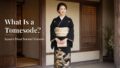
If you’ve ever browsed a summer festival in Japan and admired the colorful cotton robes everyone seems to be wearing, you’ve probably heard the word “yukata.” But what does yukata actually mean? The answer surprises most people, because the word has nothing to do with festivals or fashion at all. It has to do with taking a bath.
Breaking Down the Kanji: 浴衣
Put the two characters together, and yukata literally translates to “bathing cloth” or “bath garment.” It’s a name that tells you exactly where this garment came from, long before it became a symbol of Japanese summer.
The Origin Story: From Yukatabira to Yukata
The word yukata is actually a shortened form of an older term: yukatabira (湯帷子). Here, “yu” (湯) means hot water or bathing, and “katabira” (帷子) refers to a thin, unlined robe. Together, yukatabira meant something close to “a light robe for bathing.”
This garment dates back to the Heian period (794–1185), when Japanese nobility didn’t bathe the way we do today. Instead of soaking in water, they used steam baths, similar to a sauna. To avoid direct contact with the hot steam, they wore a simple hemp or silk robe, the yukatabira, as a kind of protective layer. Over the centuries, the name was worn down through everyday speech until “yukatabira” simply became “yukata.”
The Edo Period Shift: From Underwear to Everyday Wear
The meaning of yukata began to change during the Edo period (1603–1868), when public bathhouses became a normal part of daily life across Japan. People started wearing their yukata not just inside the bath, but on the walk home afterward, absorbing sweat and moisture from the skin the way a bathrobe would.
Around this time, the fabric also shifted from hemp to cotton, making the garment softer, cooler, and easier to care for. The deep indigo color that yukata is still known for today became especially popular partly because of sumptuary laws of the era, which restricted commoners from wearing silk or overly luxurious fabrics. Indigo-dyed cotton was practical, affordable, and had the added benefit of repelling insects, making it a natural fit for a garment meant to be worn in the heat of summer.

What “Yukata” Means Today

Even though the word yukata still literally means “bathing cloth,” its role in modern life has expanded far beyond the bath. Today, yukata are worn to summer festivals, fireworks displays, and casual evening outings. At the same time, the original meaning hasn’t fully disappeared: many ryokan (traditional inns) and hot spring resorts still hand guests a yukata to wear as sleepwear, a direct echo of its bathing-robe origins.

So in a sense, yukata carries two meanings at once: the historical one rooted in bathing, and the modern one rooted in celebration and summer style.
Common Misconceptions About the Word “Yukata”
Misconception 1: Yukata is just a type of kimono.
While yukata and kimono look similar and are often grouped together, the word yukata has a distinct origin tied specifically to bathing culture. Kimono, by contrast, developed as everyday and formal clothing without that bathing connection. If you want to see how the two compare side by side, our yukata vs. kimono guide breaks down the differences in fabric, formality, and styling.
Misconception 2: Yukata simply means “bathrobe.”
This is close, but not quite accurate. The word describes clothing worn for bathing, not the modern Western idea of a plush bathrobe. A yukata is woven cotton, structured like a simple kimono, and tied with an obi, closer to a lightweight garment than a robe in the Western sense.
Why the Meaning Matters
Understanding where the word yukata comes from also explains why it’s considered more casual than a kimono. Its roots are practical and everyday; born from bathhouses, not formal ceremonies. That’s part of why yukata is so beginner-friendly today: no need for multiple layers or complicated undergarments. If you’re ready to try one yourself, our step-by-step guide to wearing a yukata walks you through the entire process.
The next time you slip into a yukata for a summer festival, you’ll be carrying forward a tradition that started over a thousand years ago, in a steam-filled bathhouse, with a simple robe meant to do one thing: keep the wearer comfortable.