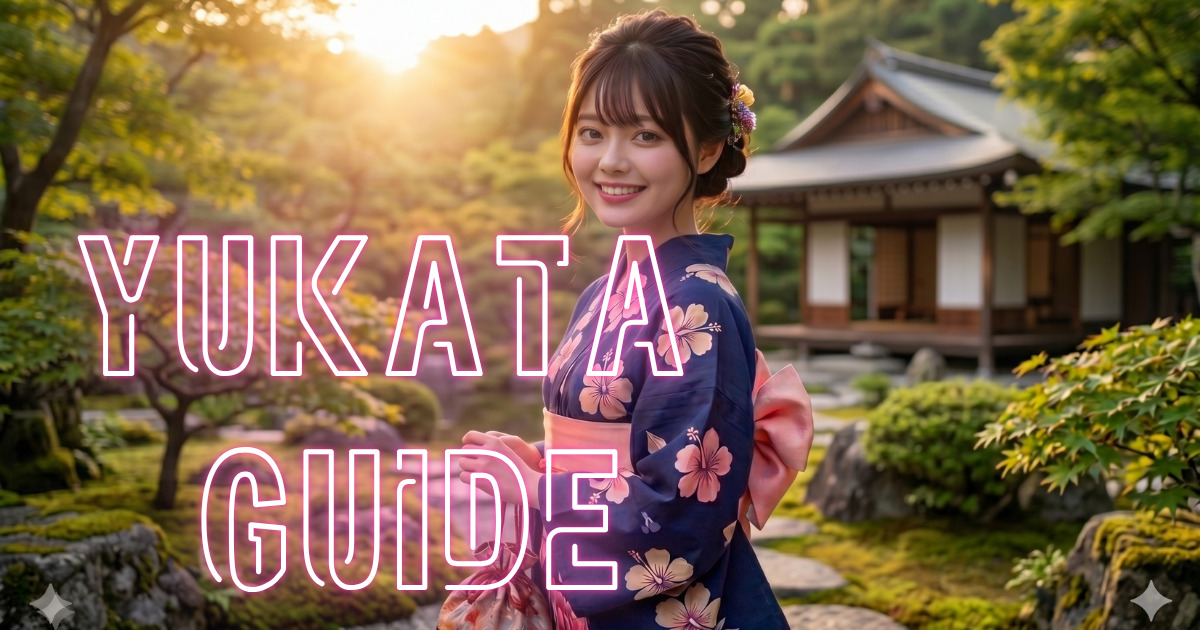
“Hi, I’m Mio! 👋”
The short answer: a yukata is a casual, unlined cotton robe worn in summer — for festivals, fireworks, and hot-spring towns. A kimono is a more formal garment, usually silk, worn year-round for special occasions. The fastest way to tell them apart: if a white inner collar peeks out at the neck, it’s a kimono; if not, it’s a yukata. Once you know these basics, spotting the difference between kimono and yukata becomes second nature.
Below you’ll find a full side-by-side comparison, the most common questions answered, and a bit of yukata’s 1,000-year story. Let’s dive in! 🌸
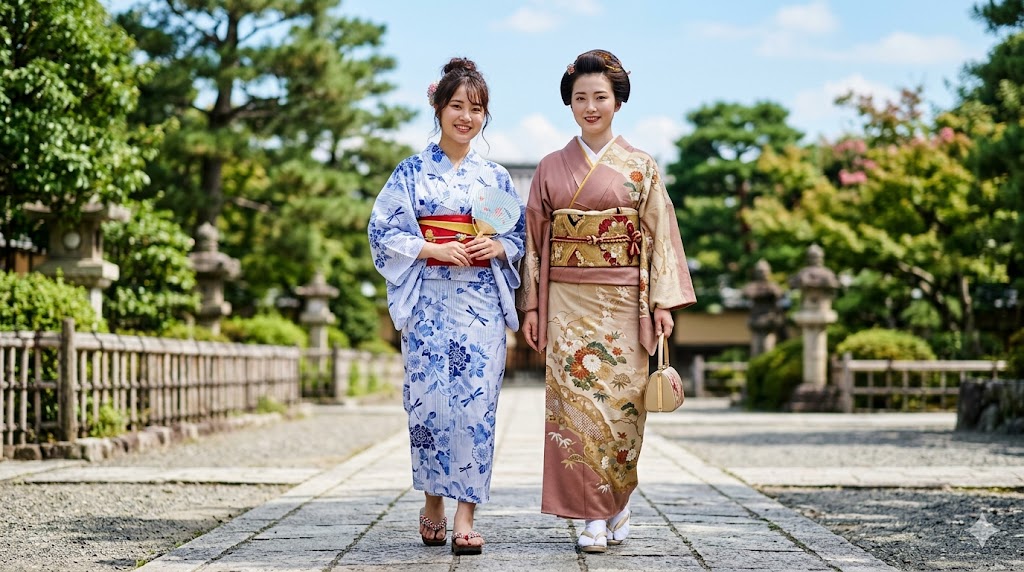
Left: a casual cotton summer yukata. Right: a formal silk kimono.
Yukata vs Kimono: What’s the Difference?
This is the #1 question I get from international friends! Both are beautiful Japanese garments, but they’re quite different once you know what to look for.
Mio’s Quick Memory Trick 💡
Think of yukata as a “casual summer dress” and kimono as a “formal gown.” Same family, totally different vibe!
| Category | 🌸 Yukata | 👘 Kimono |
|---|---|---|
| Season | Summer only — festivals & fireworks | All seasons |
| Fabric | Cotton — light, cool & breathable | Silk, wool, or synthetic — heavier |
| Washing & Care | ✅ Machine washable at home! | Professional dry cleaning required |
| Modern Styling | Lace, pearls, belts — OK! 🎀 | Traditional styling is the standard |
| Undergarment | Camisole or dedicated slip | Nagajuban (full inner robe) required |
| Collar | No white collar visible | White collar visible at neckline |
| Footwear | Bare feet in geta (wooden clogs) | Tabi socks + zori sandals |
| Obi | Simple hanhaba obi — easy to tie | Wide formal obi — complex |
| Price | ¥3,000 – ¥30,000 | ¥50,000 – millions of yen |
| Difficulty | ★★☆ Beginner-friendly | ★★★★ Requires practice |
Easiest way to tell them apart: look at the collar. A white inner collar peeking out means kimono. No visible white collar? That’s a yukata! ✅
Yukata vs Kimono: Frequently Asked Questions
Is a yukata a kimono?
Technically, a yukata is a casual, unlined type of kimono — so in the broadest sense, yes. In everyday Japanese life, though, the two are treated as separate garments: “kimono” implies a formal lined silk robe, while “yukata” means the light cotton summer version.
Can you wear a yukata as a kimono?
Not for formal occasions. A yukata is strictly casual summerwear, so it would look out of place at a wedding or tea ceremony. For festivals, fireworks, and relaxed summer outings, though, it’s perfect.
Which is more formal, a yukata or a kimono?
A kimono. Its silk fabric, layered construction, and elaborate obi place it firmly in formal territory, while the cotton yukata is the most casual member of the kimono family.
Is a yukata cheaper than a kimono?
Yes, by a wide margin. A full yukata set often costs ¥3,000–¥30,000, while a formal silk kimono can run from ¥50,000 into the millions of yen.
Can men wear yukata?
Absolutely. Men’s yukata are a summer staple in Japan, especially at festivals and hot-spring inns. They come in darker, simpler tones and use a thinner obi.
Yukata or kimono — which should a first-timer choose?
A yukata, hands down. It’s lighter, far easier to put on yourself, more affordable, and ideal for the summer events most visitors attend. Save the kimono for a formal, special-occasion look.
What is the difference between kimono and yukata?
The core difference comes down to formality and fabric: a kimono is a formal, often silk garment worn year-round for special occasions, while a yukata is a casual, unlined cotton robe worn only in summer. You can usually tell them apart by the collar — a kimono shows a white inner collar at the neckline, while a yukata does not.
What does “yukata” mean?
The word yukata (浴衣) combines “yu” (bath) and “katabira” (under-robe), reflecting its origins as a light robe worn after bathing in the Heian period. Over centuries it evolved from bathwear into the cotton summer garment worn at festivals and fireworks shows today.
The History of Yukata: 1,000 Years of Japanese Fashion
Yukata isn’t just a pretty summer outfit — it carries over a thousand years of Japanese culture in every thread.
Heian Period · 794–1185
Born in the Imperial Bath
Yukata began as “yukatabira” — a thin linen robe worn by Heian court nobles inside steam baths. It protected the skin and preserved modesty in communal bathing spaces.
Edo Period · 1603–1868
The People’s Fashion
As cotton became widely available, yukata spread from nobles to ordinary townspeople. Indigo-dyed cotton yukata became the go-to summer outfit for festivals, fireworks shows, and evening strolls.
Meiji Era · 1868–1912
Meeting the West
As Western clothing entered Japan, yukata found its permanent place as the garment of summer leisure — associated with hot spring resorts (onsen) and matsuri festivals.
Modern Day · Now
A Global Fashion Icon
Today yukata is beloved worldwide. Tourists rent them in Kyoto and Asakusa, designers reimagine them with modern accessories, and social media has made yukata photography a global trend. 🌍
Yukata Patterns & Their Hidden Meanings
Every yukata pattern carries a special meaning or wish. When you choose a yukata, you’re not just picking a pretty design — you’re wearing a story! 🌺
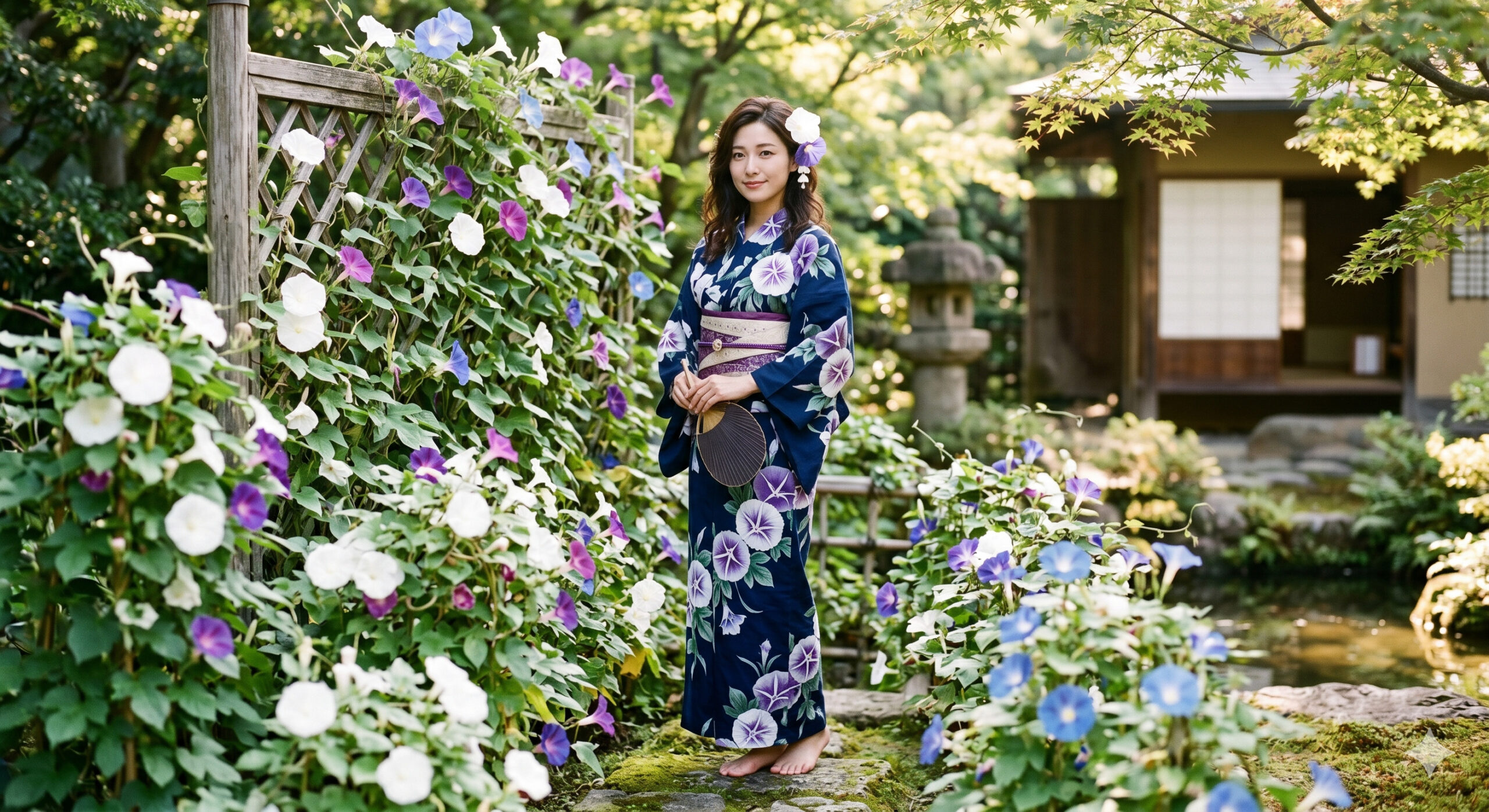
Asagao · Morning Glory
Fleeting Beauty & Love
Symbolizes beautiful fleeting moments and affection. The blue-purple gradient evokes cool summer mornings.
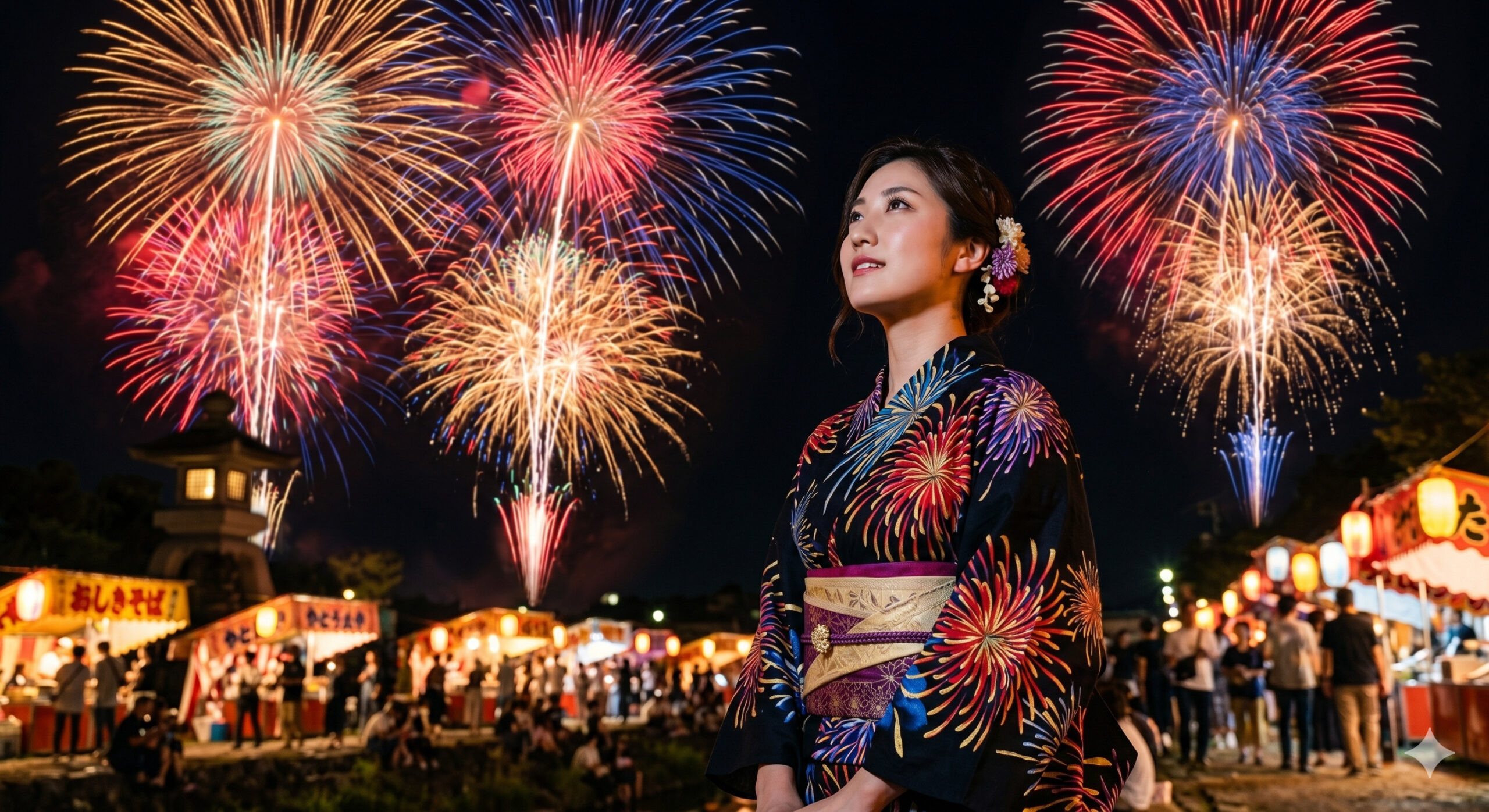
Hanabi · Fireworks
Passion & Brilliance
Represents passion and shining in one brilliant moment. Bold bursting design for dramatic night festival looks.
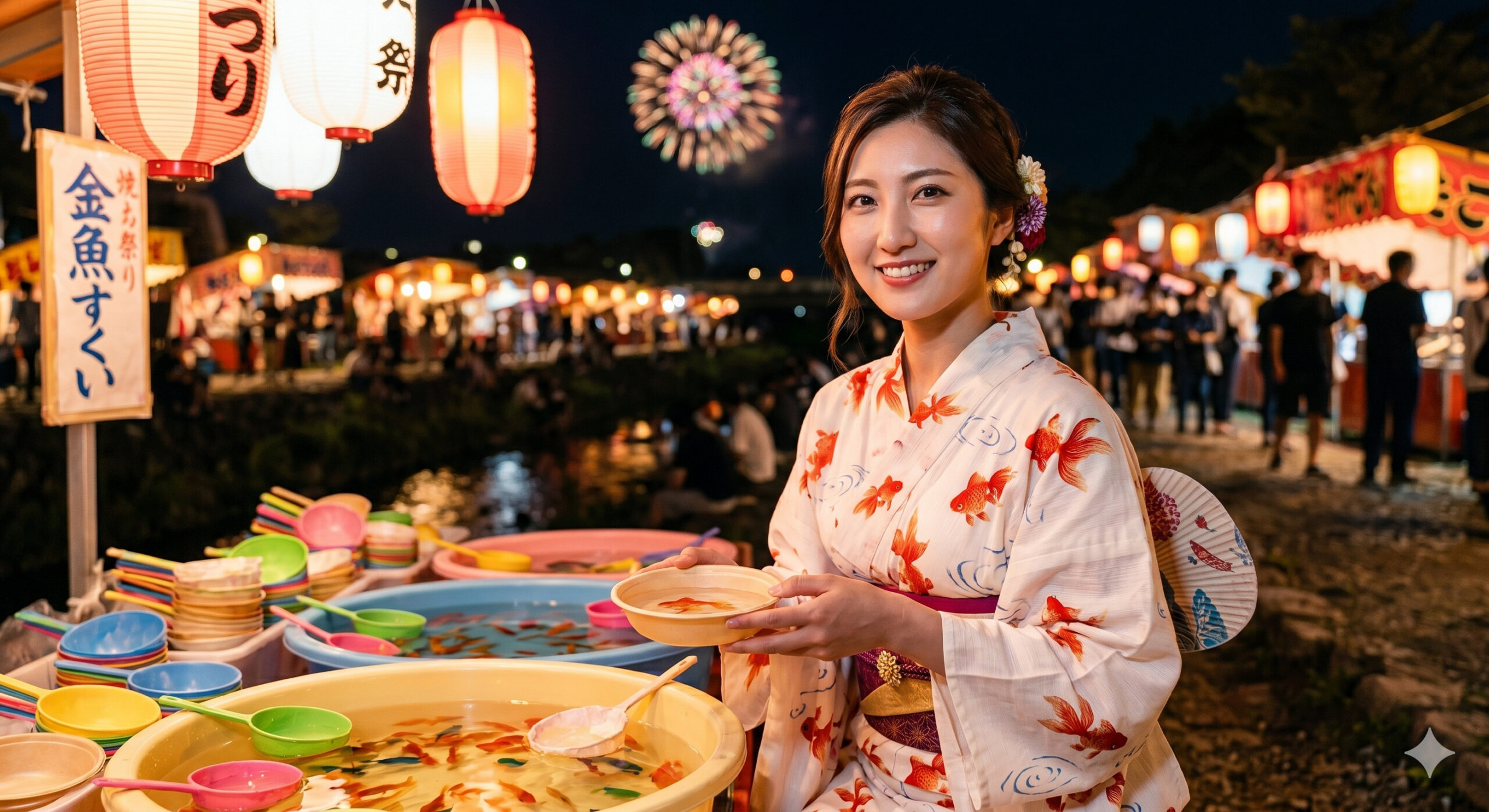
Kingyo · Goldfish
Good Fortune & Prosperity
Goldfish symbolize wealth and luck. The red-and-white palette is festive — ideal for summer matsuri.
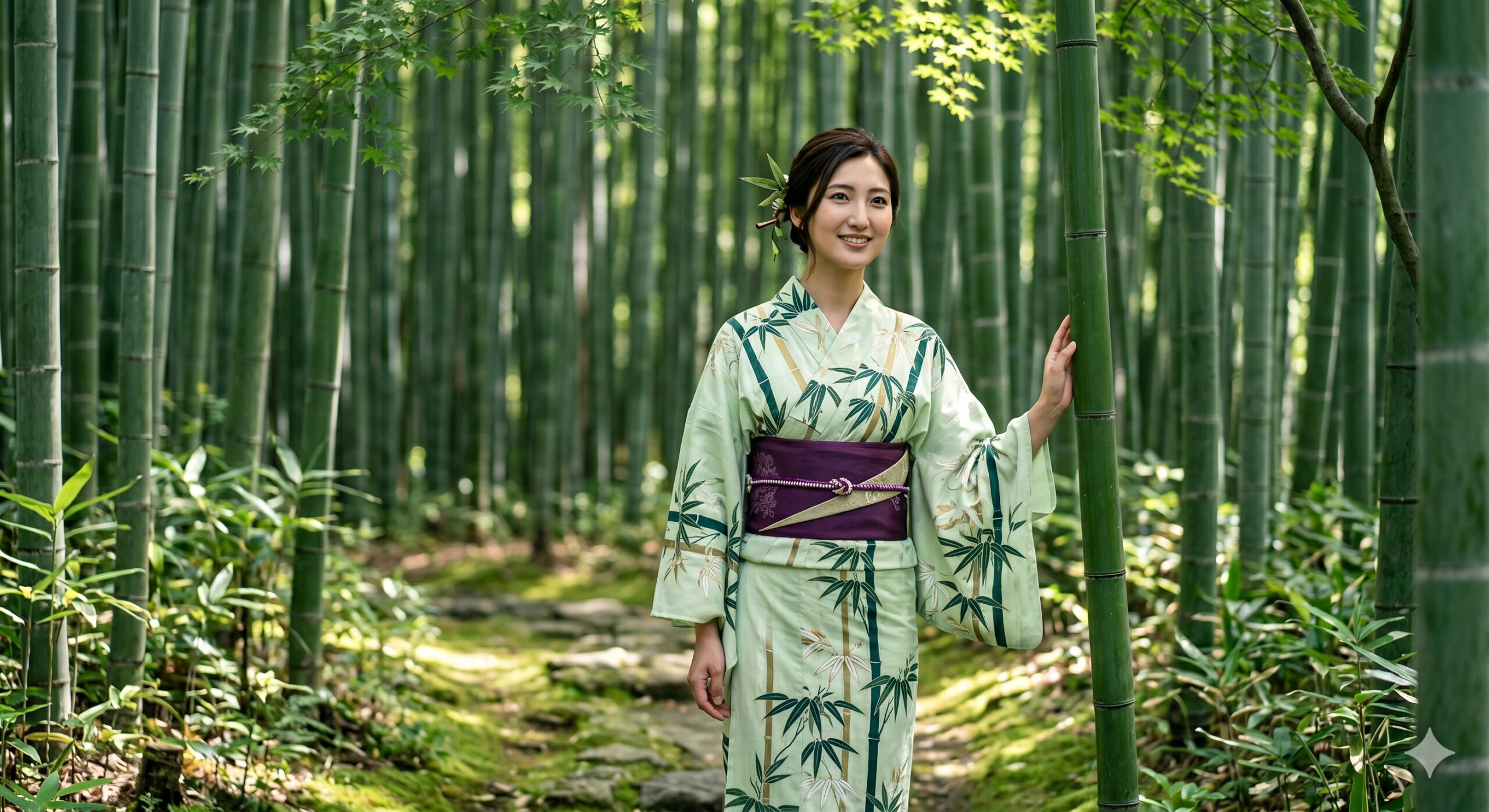
Take · Bamboo
Strength & Resilience
Bamboo bends but never breaks — graceful strength. The vertical lines also create a slimming silhouette.
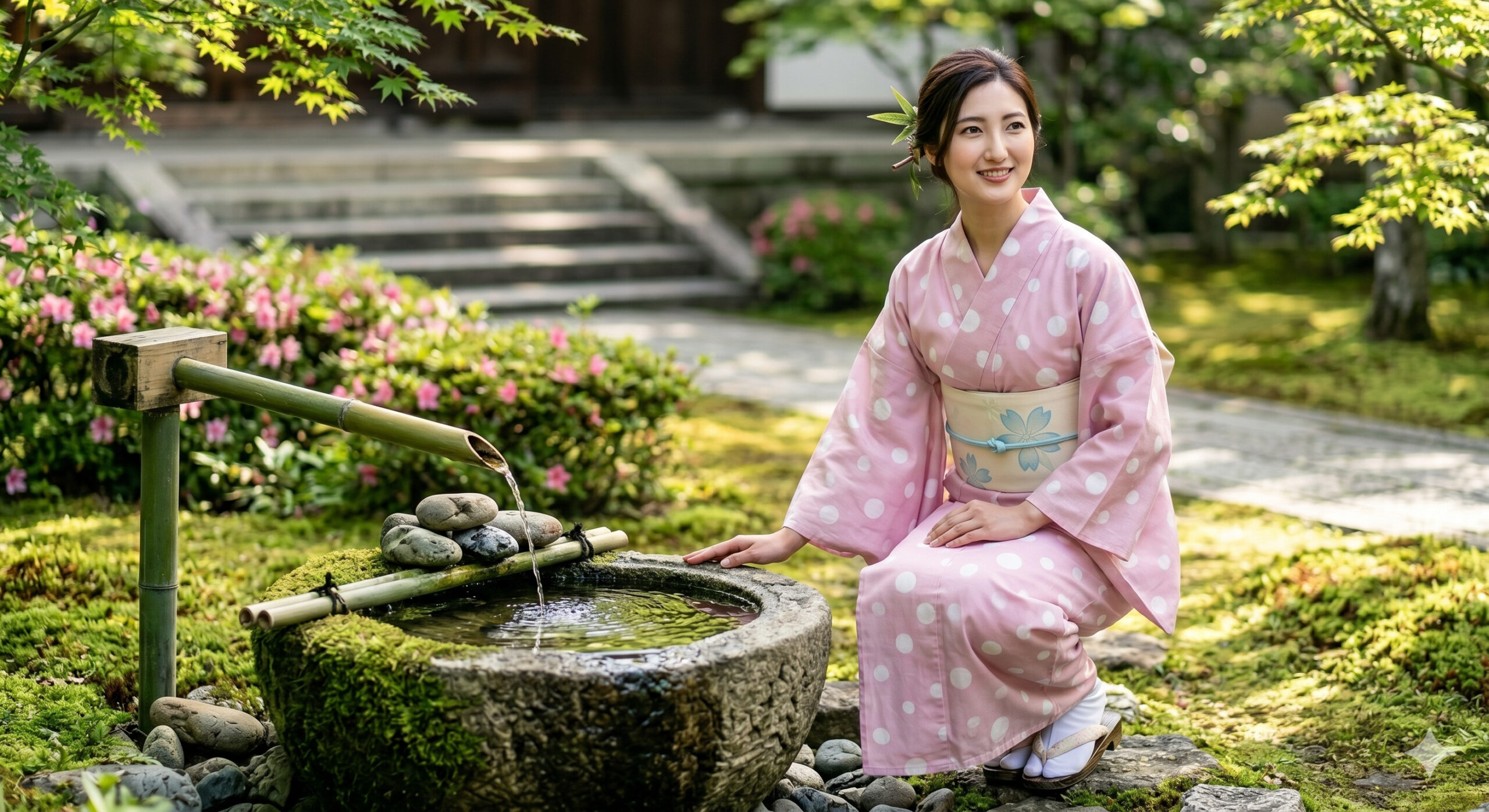
Mizutama · Polka Dots
Connection & Good Luck
Circular dots represent connections that continue forever — a wish for lasting bonds and relationships.
Mio’s Pattern Picking Guide 🎯
Petite frame? Choose small, light-colored patterns. Tall figure? Go bold! First time? Navy × white is universally flattering and always chic.
Yukata Etiquette: Do’s & Don’ts
Wearing a yukata beautifully is one thing — wearing it respectfully is another. These simple tips will help you feel confident and culturally aware.
-
Always wrap right side first
Right side underneath, left side on top. This is the most important rule of yukata wearing in Japan.
-
Take small, graceful steps
The narrow hem naturally creates a more refined gait. Embrace it — it looks incredibly elegant!
-
Hold your sleeve when eating
When reaching for food or drinks, use your opposite hand to gently hold your sleeve back. It prevents stains and shows mindfulness.
-
Fix your collar regularly
Yukata collars tend to shift throughout the day. A neat collar makes a huge difference in your overall appearance.
-
Ask before photographing others
Always ask permission first. A friendly smile and “shashin wo totte mo ii desu ka?” goes a long way!
Now You Know the Difference — What’s Next? 🌸
Ready to actually wear one? Here are my hand-picked guides to take you from “I know the difference” to “I’m festival-ready.”
You’re Ready to Rock Your Yukata! 🌸
Yukata is more than just a summer outfit. It’s 1,000 years of history, beautiful symbolism, and the joy of Japanese summer — all wrapped into one gorgeous garment.
Whether you keep it classic or go modern, the most important thing is to wear it with confidence and joy. That’s what makes yukata truly beautiful.
Enjoyed this guide? Save it, share it, and feel free to reach out anytime! I’d love to see your yukata photos. 💕
— Mio みお