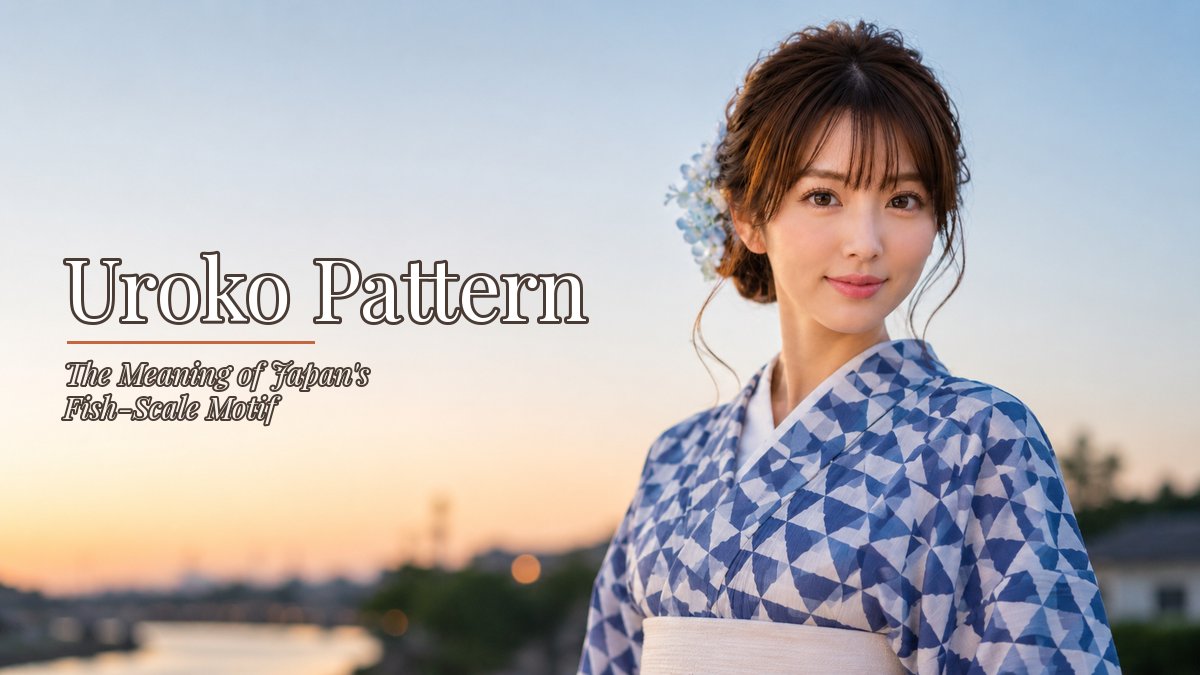
That vivid yellow haori worn by Zenitsu Agatsuma in Demon Slayer — the one covered in rows of jagged triangles — is a pattern many people recognize without ever knowing its name. This is uroko, the fish-scale pattern, one of the oldest geometric designs in Japan. It looks like a simple repeat of triangles, yet folded inside it is a surprisingly powerful wish: to shed what is old and be reborn anew.
What Is the Uroko Pattern?
The uroko pattern is one of the simplest geometric designs imaginable — triangles, arranged in neat, alternating rows. As the triangles connect in every direction, their points meet and new triangles appear in the spaces between them. That rippling repetition was thought to resemble the scales of a fish or a snake, and that is exactly how the pattern earned its name: uroko simply means “scale.” In English it is often introduced as the fish-scale pattern, which captures the shape at a glance.
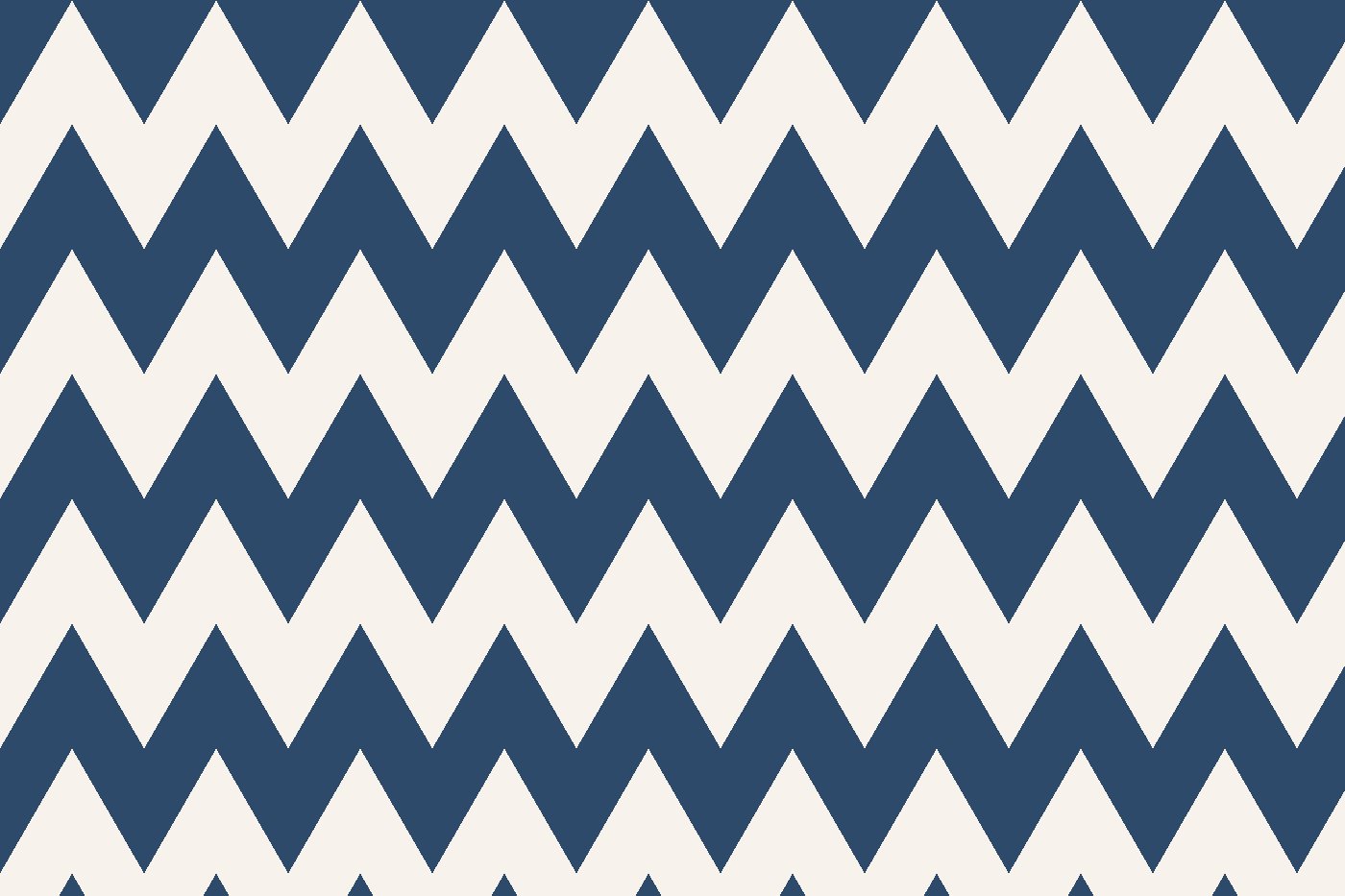
The important thing to understand is that uroko is a pattern, not a picture. It does not depict any real creature in a literal way — it abstracts the rhythm and sharpness of scales into pure geometry. Because it is built entirely from triangles, it translates beautifully across many crafts, from dyeing and weaving to embroidery. If you enjoy Japanese traditional kimono patterns, uroko is one of the classic names worth knowing.
The Meaning Behind the Pattern
What makes uroko more than a tidy geometry are the two wishes at its heart: protection and renewal.
The first is protection from misfortune. Triangles have long been linked with warding off evil, and uroko came to be cherished as a protective, bad-luck-dispelling design.
The second is renewal through shedding. Just as a snake sheds its old skin to emerge fresh and new, uroko carries the wish to cast off old misfortune and be reborn as a newer version of yourself. This is the pattern’s most beautiful quality.
If asanoha is a pattern that wishes for healthy growth, uroko is a pattern that wishes for shedding the old and being reborn. Two auspicious designs — two different directions of hope.
Because of these meanings, uroko is considered an auspicious pattern that can be worn all year round, regardless of season. It is also said that there was once a custom of wearing uroko during a woman’s yakudoshi — her so-called unlucky years — as a quiet wish to shed misfortune and pass through them safely.
A Long History
Uroko is a triangle motif so universal that versions of it appear all over the world, but in Japan it has been used since ancient times.
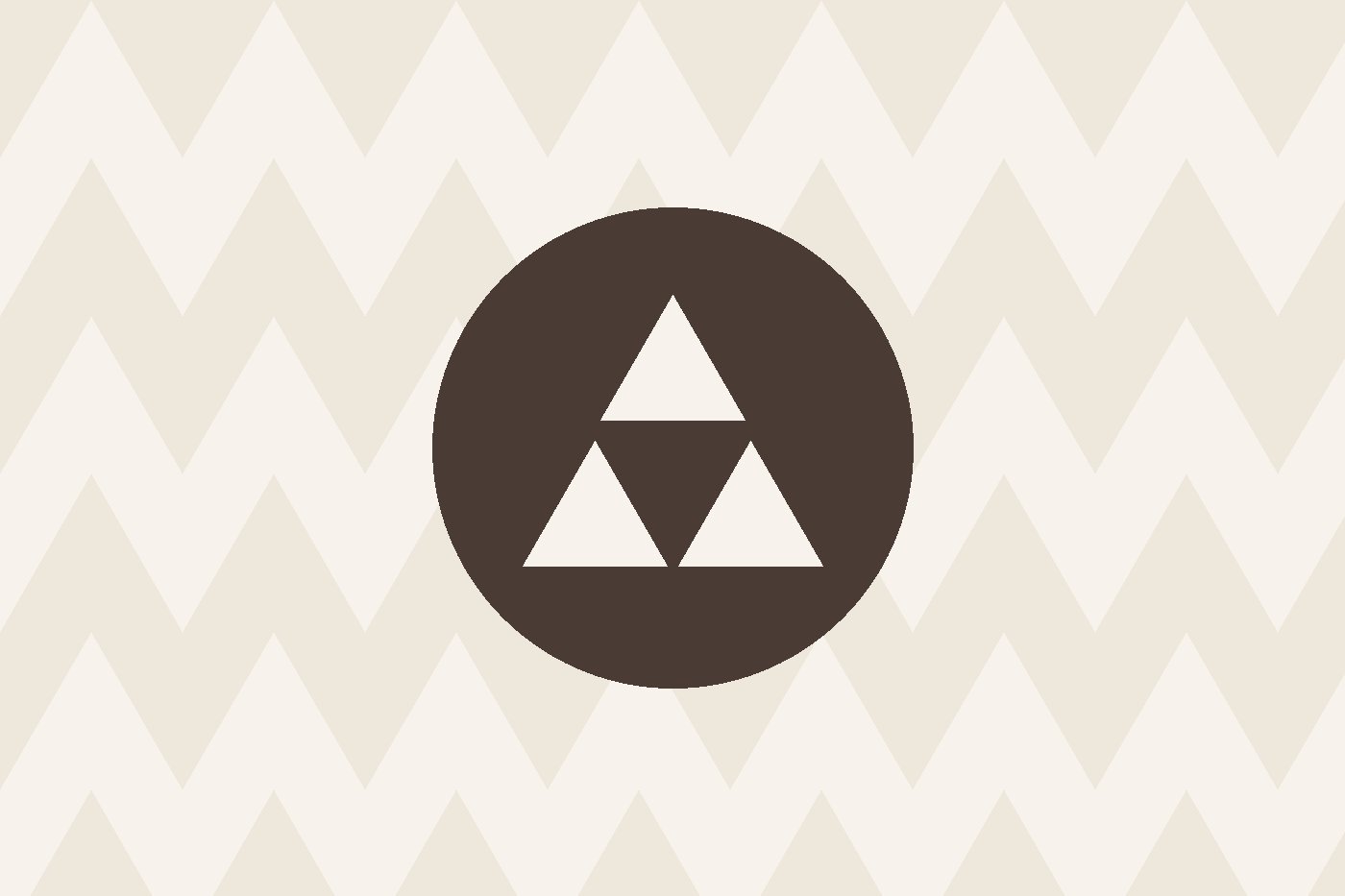
In the world of the samurai, it stood for strength and protection. The family crest of the powerful Hojo clan, who held sway during the Kamakura shogunate, is the well-known mitsu-uroko — three stacked triangles. As a textile pattern, uroko is said to have spread more widely from the Muromachi period onward.
Uroko also has a more dramatic face. In Noh and Kabuki theater, it clothed serpent spirits and women consumed by obsession. A famous example is the Noh play Dojoji, in which a woman transformed by the bitterness of betrayed love appears in uroko-patterned robes — the rows of triangles hinting at scales, at a serpent’s body. That image of quiet passion and transformation resonates, in its own way, with the world of Demon Slayer.
The Demon Slayer Connection
For readers around the world, nothing makes uroko feel more familiar than Zenitsu Agatsuma. That striking yellow haori of his, patterned with rows of white triangles, is the uroko design.
Zenitsu is timid and quick to run, yet in his moments of need he awakens — often while fast asleep — and fights like a completely different person. It is tempting to read his growth and awakening alongside the shedding-and-rebirth meaning long attached to uroko. It is worth being clear, though, that this is a cultural and fan interpretation rather than an official meaning stated within the series. Readers who came to kimono through anime often find themselves curious about the other characters’ patterns too, which is a lovely doorway into our guide to Demon Slayer kimono patterns.
Where You’ll See Uroko Today
Once you know the shape, you start noticing uroko everywhere. On kimono, yukata, and obi it works as a year-round geometric design, and it appears often on obi sashes and nagajuban (under-kimono), where its protective meaning is quietly welcome. Beyond cloth, uroko turns up in braided cords, ceramics, family crests, and architectural details — and today its clean, bold triangles fit right in with contemporary logos, interiors, and fashion.
How Uroko Feels to Me
Honestly, uroko looked to me at first like nothing more than a simple repeat of triangles. But once I learned its meaning — shedding old misfortune and being reborn anew — the way I saw it changed.
Now each little triangle in the row feels like it holds a small piece of forward motion, and it has quietly become a pattern I reach for whenever I want to begin something new. This is only my own feeling, of course, not a rule for how anyone else should see it.
Uroko in Kimono and Yukata
Because uroko is a crisp geometric design, it carries a clean, refreshing feeling that suits both summer yukata and lightweight kimono worn to festivals and fireworks displays. As an abstract geometric motif, it also moves comfortably between a casual everyday komon kimono and dressier pieces. If you are still sorting out how kimono and yukata differ in the first place, our guide to kimono vs yukata is a good place to start.
How to Style Uroko Today
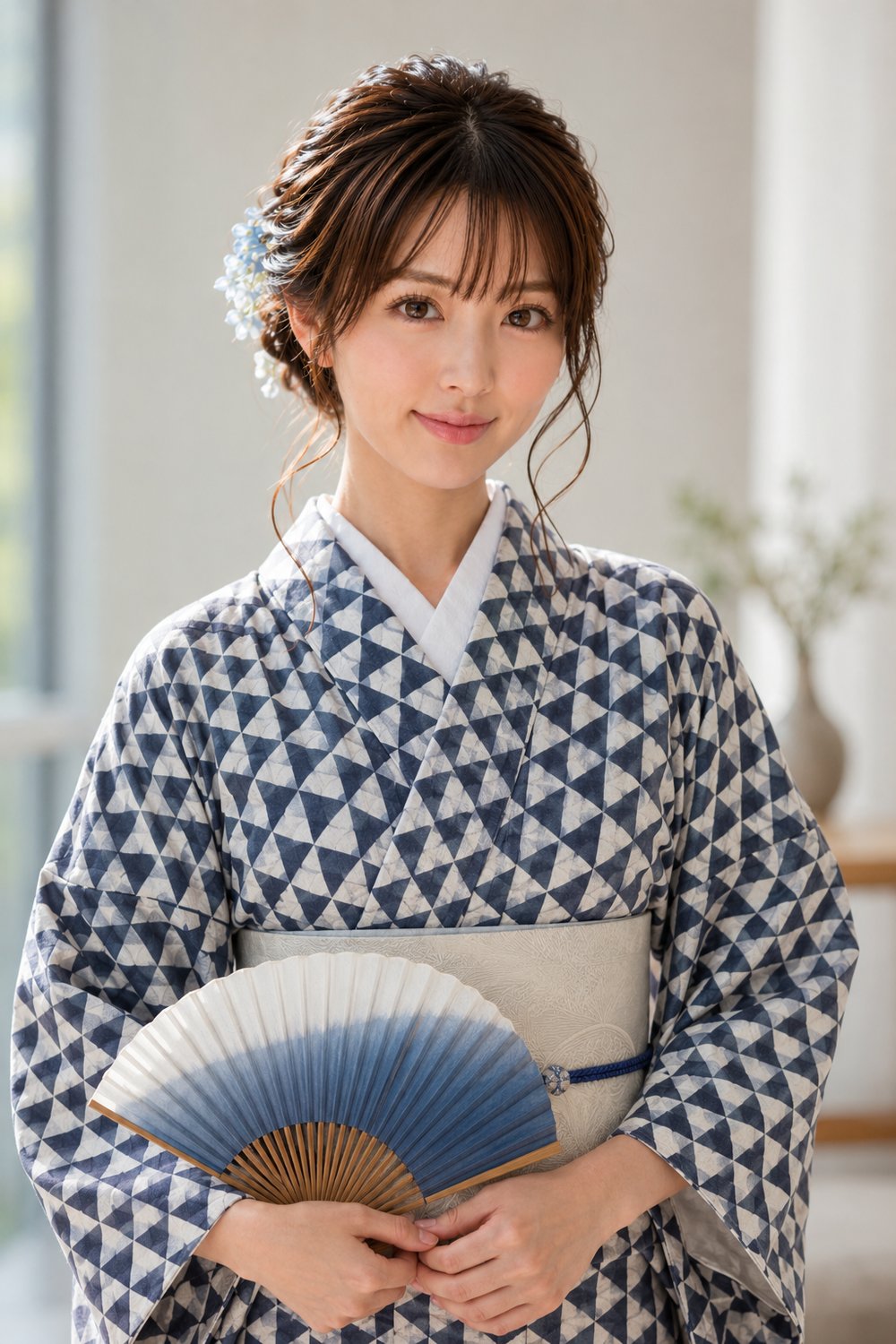
You do not need a full kimono to enjoy this pattern. An uroko obi, a light summer yukata, a haori jacket, or even accessories like a fan or hair clip let you bring a little of that sharp, rhythmic energy into an outfit.
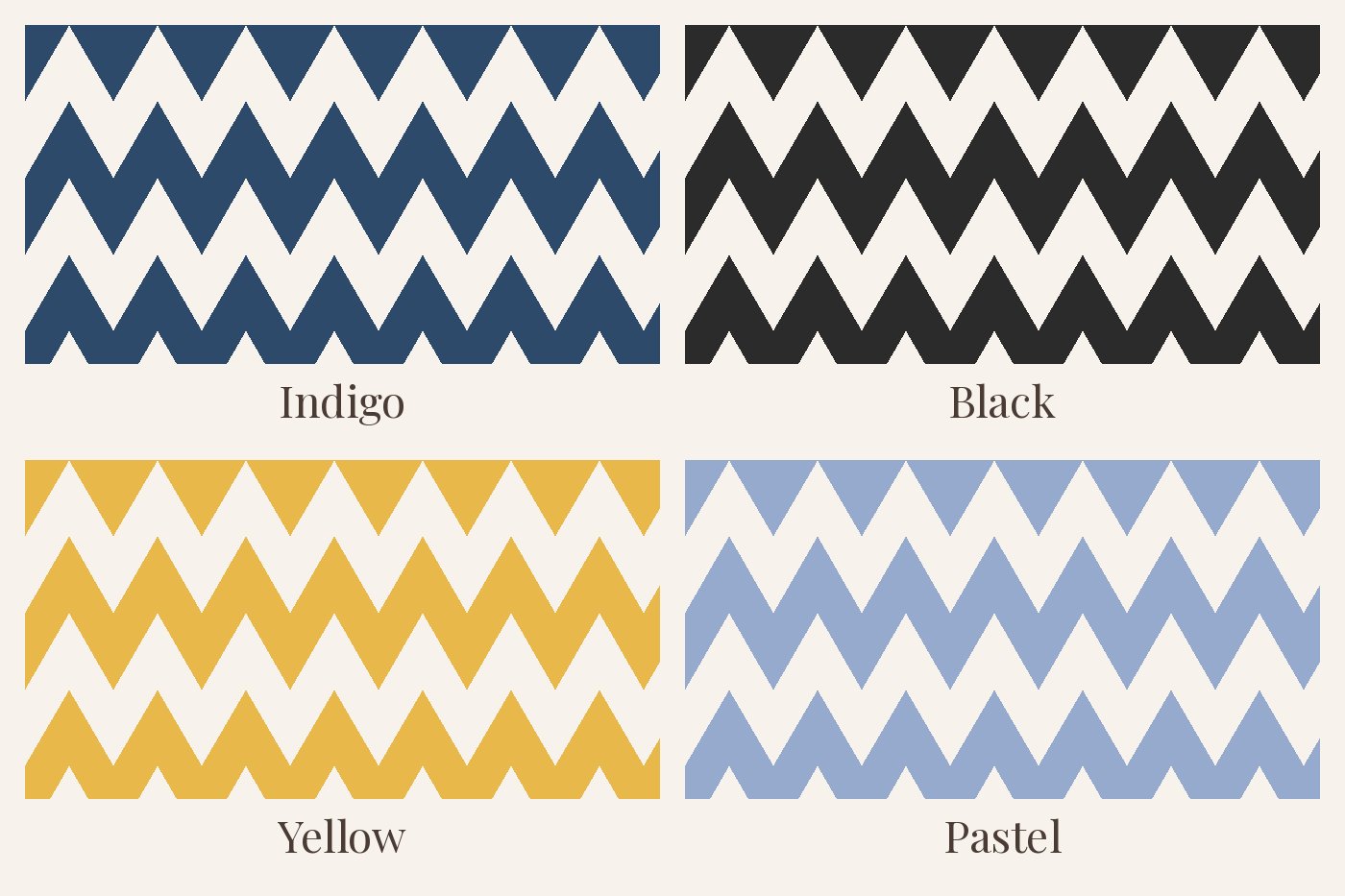
For color, the classic indigo-and-white version reads crisp, clean, and timeless. Zenitsu’s golden yellow feels playful and instantly recognizable, while soft pastels and clean monochrome feel modern and gentle. Because the pattern is quiet and repetitive, it also looks lovely next to a plain, solid piece such as an iromuji kimono, which lets the triangles do the talking.
First-timer tip: If you love the meaning of uroko but want something subtle, start small — a hand towel (tenugui), a fan, or a pouch. The triangles read clearly even on a tiny surface, and you can share the “shed the old, begin anew” story whenever someone asks.
Uroko vs Other Traditional Patterns
Japan has a whole language of traditional patterns, and it helps to be able to tell a few of them apart. Uroko is the one made of connected triangles. Compare it with asanoha, the six-pointed hemp-leaf design built from straight lines, which wishes for healthy growth and protection; and with seigaiha, the pattern of layered wave-like arcs that stands for peaceful, never-ending good fortune. Where seigaiha feels rounded and flowing and asanoha feels star-like, uroko feels sharp and rhythmic — the same love of nature, drawn three different ways. If you enjoy learning these, our guide to yukata patterns and their meanings explores several more.
Uroko: Frequently Asked Questions
How do you pronounce uroko, and what does it mean?
It is pronounced oo-roh-koh and simply means “scale.” It is a geometric pattern of triangles arranged to resemble the scales of a fish or snake, long linked with protection from misfortune and with renewal through shedding.
Why does Zenitsu wear the uroko pattern in Demon Slayer?
The white triangles on Zenitsu’s yellow haori are the uroko design. His growth and awakening are often read alongside uroko’s meaning of shedding and rebirth — but that link is a cultural and fan interpretation, not an official meaning stated in the series.
When is uroko worn?
As an auspicious geometric pattern, uroko is worn year-round rather than in one season. Thanks to its protective meaning, it was also traditionally chosen during a woman’s unlucky years (yakudoshi).
How is uroko different from the asanoha pattern?
Both are auspicious, but their shape and wish differ. Asanoha is a six-pointed, star-like hemp-leaf motif meaning healthy growth, while uroko is a design of connected triangles meaning shedding the old and being reborn.
What colors does uroko come in?
Traditionally deep indigo and white, or black and white. Today you will also see it in Zenitsu’s golden yellow, soft pastels, and clean monochrome.
A simple repeat of triangles — and inside each one, a quiet wish: shed the old, and begin again. That is the enduring beauty of the uroko pattern, hidden in plain sight on Zenitsu’s yellow haori.