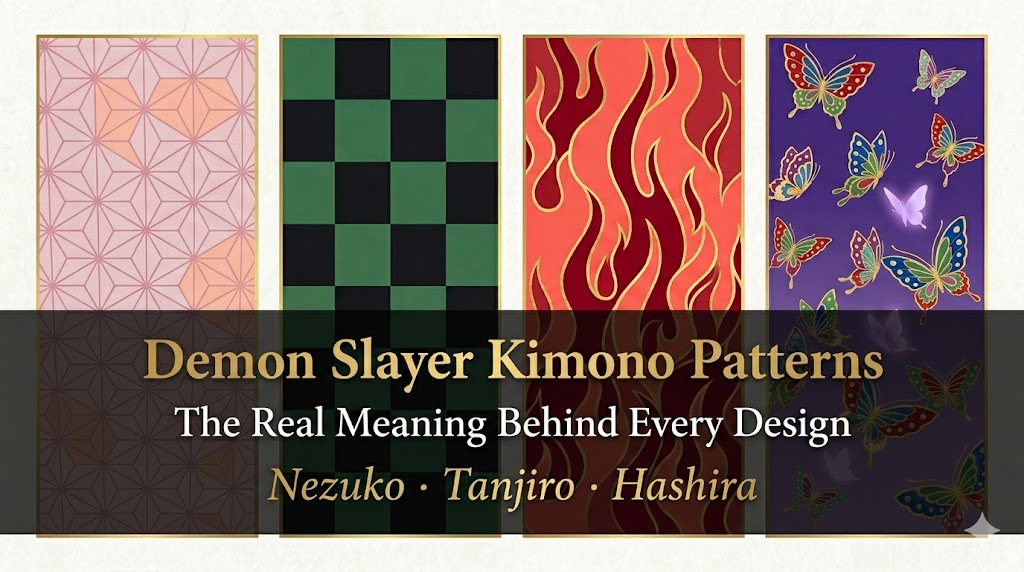
The real meaning behind every Demon Slayer kimono design.
Hey, do you love Demon Slayer? OMG, those iconic haori and kimono designs — Tanjiro’s checkerboard, Nezuko’s pink hemp-leaf print, the Hashira’s legendary patterns… they’re SO unforgettable!
But here’s the thing — those designs aren’t just made up for anime. They’re based on real traditional Japanese patterns that have existed for hundreds of years, each carrying deep symbolism linked to the character’s fate and personality.
Today we’re diving into the real meaning behind each one. Trust me, once you know this, you’ll never watch the show the same way again. ✨
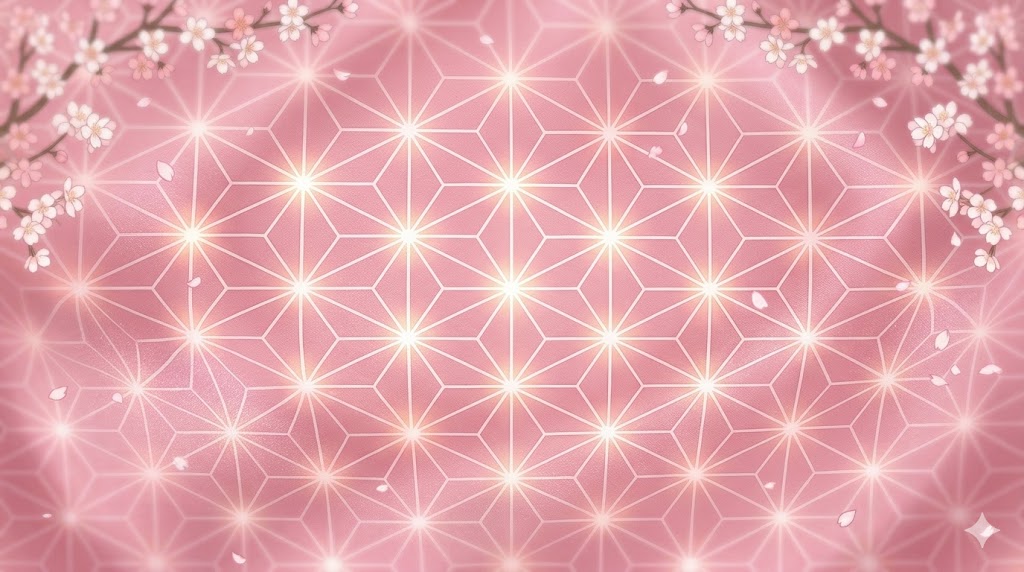
OMG, that adorable pink kimono! So many fans search for the nezuko kimono pattern name — and here it is: it’s called 麻の葉 (Asanoha), which means “hemp leaf.”
The geometric design is based on the shape of hemp leaves viewed from above — six-pointed, repeating endlessly in perfect symmetry. It’s been used on children’s clothing in Japan for centuries.
Hemp grows fast, straight, and strong even in harsh conditions. The pattern carries a wish for children to grow up healthy, protected from evil spirits and illness. A charm against darkness.
Nezuko — turned into a demon yet still fighting to protect humans, refusing to lose her gentle heart — wearing this pattern of protection and resilience? The symbolism is perfect. Goosebumps every time. 💕
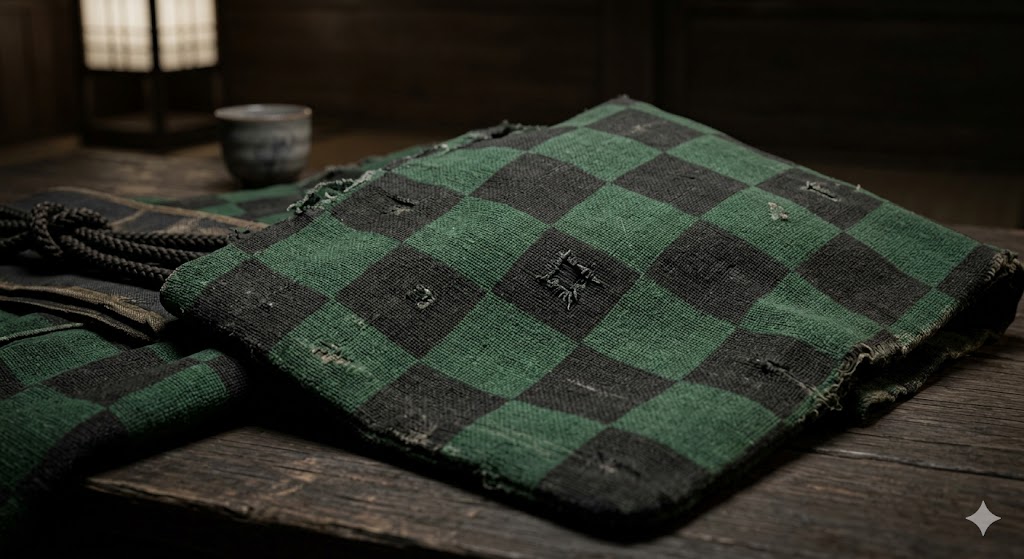
Tanjiro’s green and black checkered haori is instantly iconic. That tanjiro kimono pattern is called 市松模様 (Ichimatsu) — the checkerboard pattern, one of Japan’s most beloved traditional designs since the Edo period.
The grid extends endlessly in every direction, squares connecting to squares — with no end, no break. This endless continuity is the key to its symbolism.
The unbroken pattern represents the continuation of life, family prosperity, and an eternal bond that can never be severed. It’s the wish that lineage and love continue forever.
Tanjiro, who fights with everything he has to protect his family and honor every life — wearing a pattern that means “eternal connection.” So iconic. So perfectly him. 🔥
The Hashira — Hidden Symbolism
The Water Hashira’s haori is one of the most unique in the show — split down the middle into two completely different patterns. That hashira kimono pattern on the geometric side is called 毘沙門亀甲 (Bishamon Kikko).
Bishamonten (毘沙門天) is the Buddhist deity of war and protection — one of the Seven Lucky Gods. This pattern was used on his armor, making it one of the most powerful protective symbols in Japanese tradition.
Divine protection in battle, the strength to shield those you love, and victory against evil. But that’s only half the story — literally.
Giyu’s haori is actually made from two people’s keepsakes. The geometric Bishamon Kikko side comes from his late friend Sabito, who died protecting others in the Final Selection. The solid deep grape-purple side (ebi-iro — a traditional Japanese color like dark ripe grapes) comes from his beloved older sister Tsutako, who was killed by a demon while hiding Giyu to save his life.
One half: a fallen friend’s courage. The other half: a sister’s sacrifice. Every time Giyu wears that haori, he carries both of them with him. The most emotionally layered hashira kimono pattern in the entire series. 😭
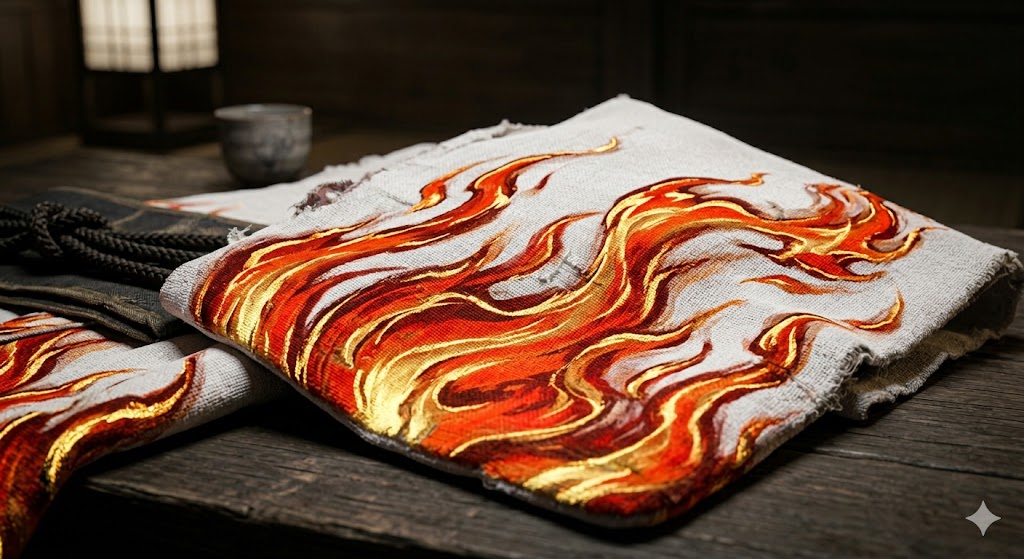
RENGOKU! 🔥 Everyone’s favorite Flame Hashira — and that haori is Super cool! The dramatic flame design is called 火焔文 (Kaenmon) — the flame pattern — one of Japan’s most ancient sacred motifs.
In Japanese tradition, fire is not just destructive — it’s divine. Flames purify evil, illuminate darkness, and carry enormous sacred power. The Kaenmon appears on shrine decorations and festival mikoshi floats as a symbol of purifying energy.
The purification of evil, unstoppable power, and a burning passion that lights the way for others. Flames that never go out — no matter what stands in their way.
“Set your heart ablaze!” — Rengoku’s most iconic words, and this pattern carries every bit of that meaning. The demon slayer kimono pattern meaning here is basically his entire soul, woven into fabric. We’re not crying, you are. 🥺
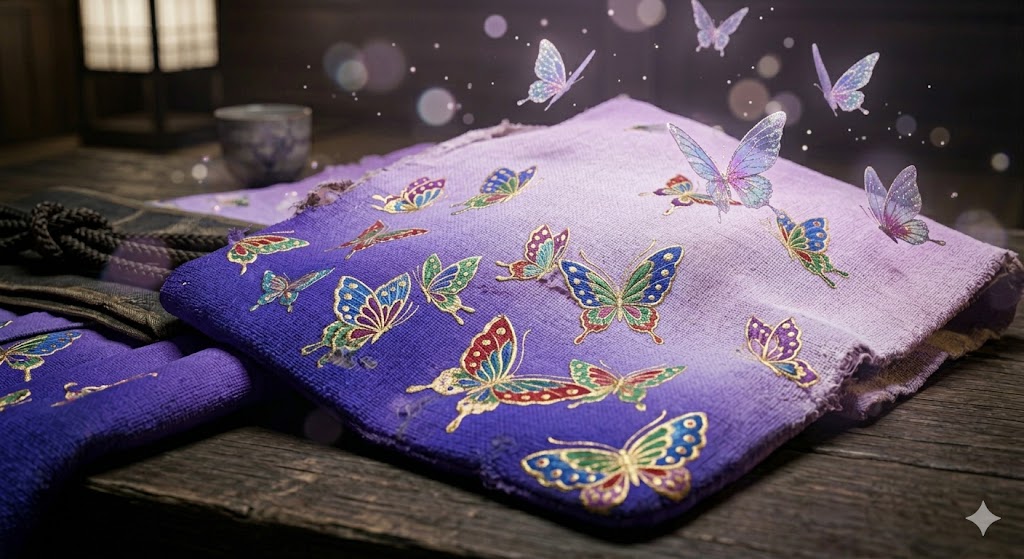
Shinobu’s haori looks like actual butterfly wings come to life — and that’s no accident. The Insect Hashira’s design is based on 蝶文 (Chomon), the butterfly pattern, one of Japan’s most beloved traditional motifs.
Butterflies undergo one of nature’s most dramatic transformations — from caterpillar to chrysalis to something entirely new and breathtaking. In Japan, they’ve been symbols of transformation, the undying soul, and feminine grace since the Heian period.
Transformation, rebirth, the soul that persists beyond death, and the elegance of feminine power. Something fragile on the outside — and utterly indestructible within.
Shinobu: deadly, graceful, carrying grief like a secret, smiling through everything. The butterfly — fragile-looking, impossible to destroy. The hashira kimono pattern and the character are one and the same. Absolutely stunning. 🦋
More Than Just a Cool Design
Every haori in Demon Slayer is a story. A wish. A weight. The creator didn’t just pick pretty patterns — they chose symbols that mirror each character’s soul, their history, and their destiny.
Next time you watch the show, look at the fabric. You’ll see everything.
Stay tuned for more anime fashion secrets! 💕