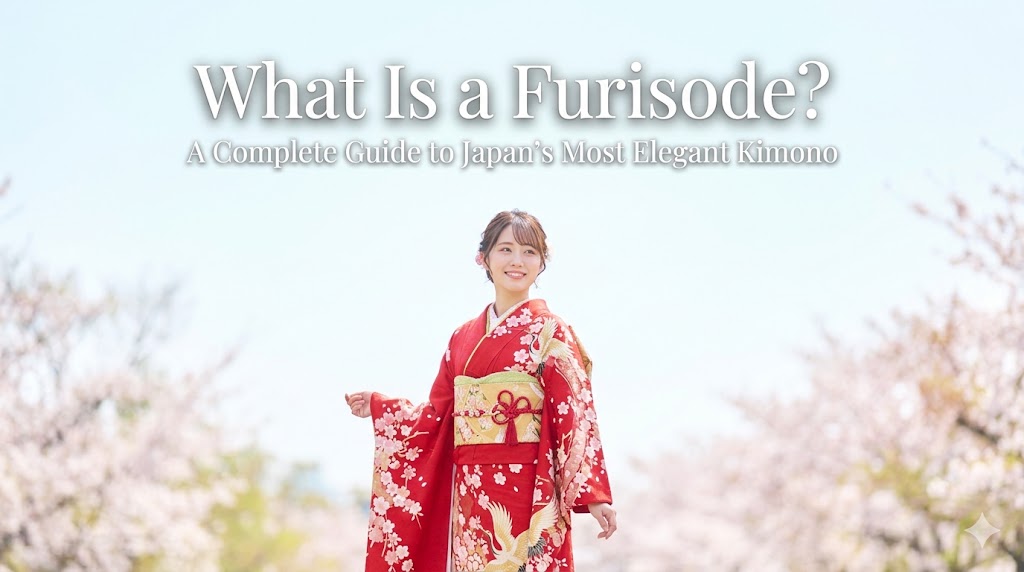
Have you ever seen a photo from a Japanese celebration where a young woman is wearing a stunning kimono with extra-long sleeves and flowers blooming all the way down to the hem? That gorgeous garment is a furisode.
Among all the different kinds of kimono, the furisode is something truly special — the most formal kimono a young woman can wear, saved for the biggest moments of her life. In this guide, we’ll walk you through everything: what a furisode is, the different types, who wears one and when, the meanings hidden in its patterns and colors, and even whether you can wear one yourself on your next trip to Japan.
What Is a Furisode?
A furisode is a type of kimono, and its most striking feature is — you guessed it — those long sleeves. The name itself, 振袖, literally means “swinging sleeves,” because they sway so gracefully with every step.
The furisode is considered the most formal kimono for young, unmarried women. With its vivid colors and bold patterns flowing uninterrupted from shoulder to hem, you can tell at a single glance that it’s an outfit made for special occasions.
The Sleeves That Make It Special
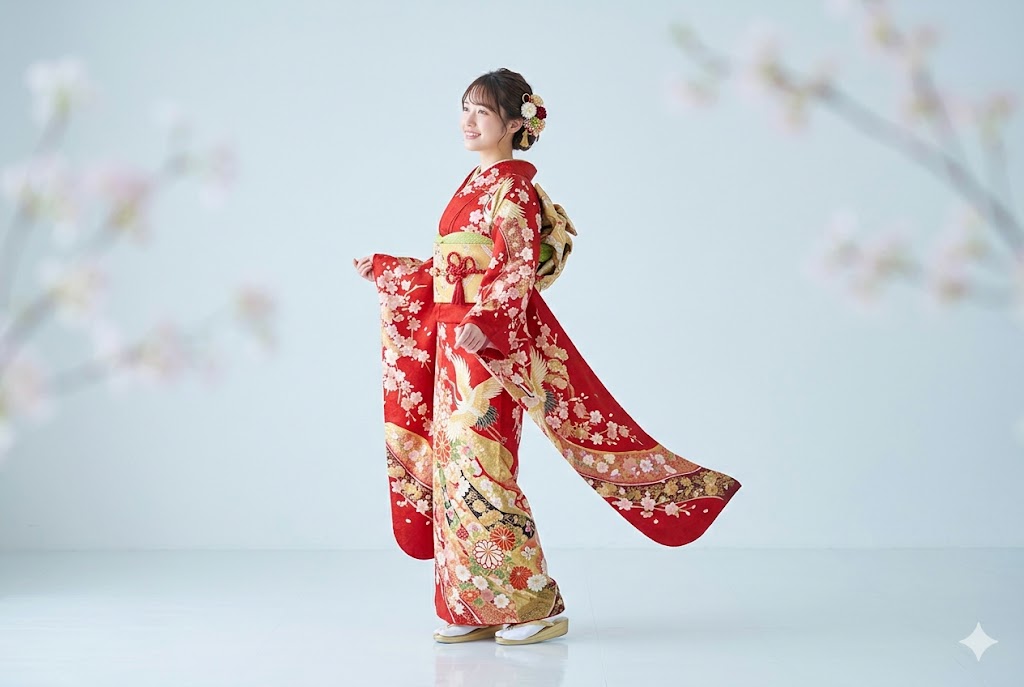
The sleeves are what set a furisode apart, and they actually come in three lengths:
- Ōfurisode (about 114 cm / 45 in) — the most formal, often worn as bridal wear.
- Chū-furisode (about 100 cm / 39 in) — the most common choice, and the one you’ll see most at coming-of-age ceremonies.
- Kofurisode (about 85 cm / 33 in) — lighter and easier to move in, popular for graduation when paired with hakama.
As a rule of thumb, the longer the sleeves, the more formal the furisode. And because the sleeves are so much longer than those of an everyday kimono, a furisode is always easy to spot.
Who Wears It, and When?
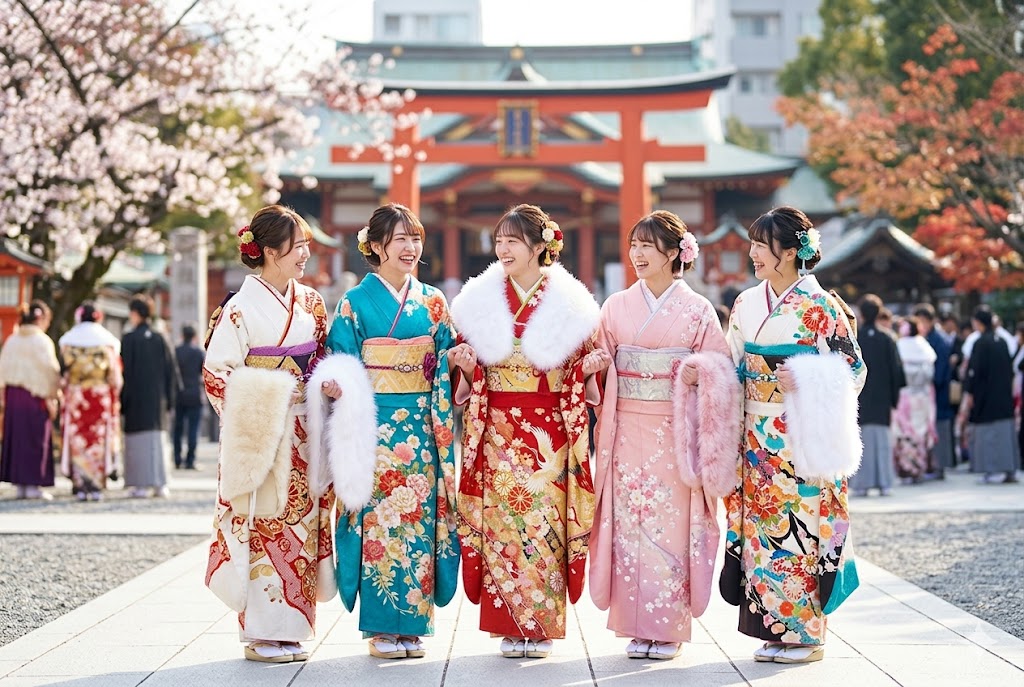
A furisode is the formal attire of young, unmarried women, worn for life’s milestone moments:
- Coming-of-Age Day (Seijin-shiki): The celebration of reaching adulthood, and the furisode’s biggest stage of all. It’s the highlight outfit for women around the age of 20. (Japan’s legal age of adulthood is now 18, but most towns still hold the ceremony at 20.)
- Weddings: Worn by unmarried female guests to share in the celebration.
- Graduation: Often paired with hakama for a crisp, elegant look. (See our hakama guide for more.)
Whatever the occasion, the right hairstyle completes the look. If you’re after inspiration, our cute kimono hairstyles guide is full of pretty ideas.
Patterns and Their Meanings
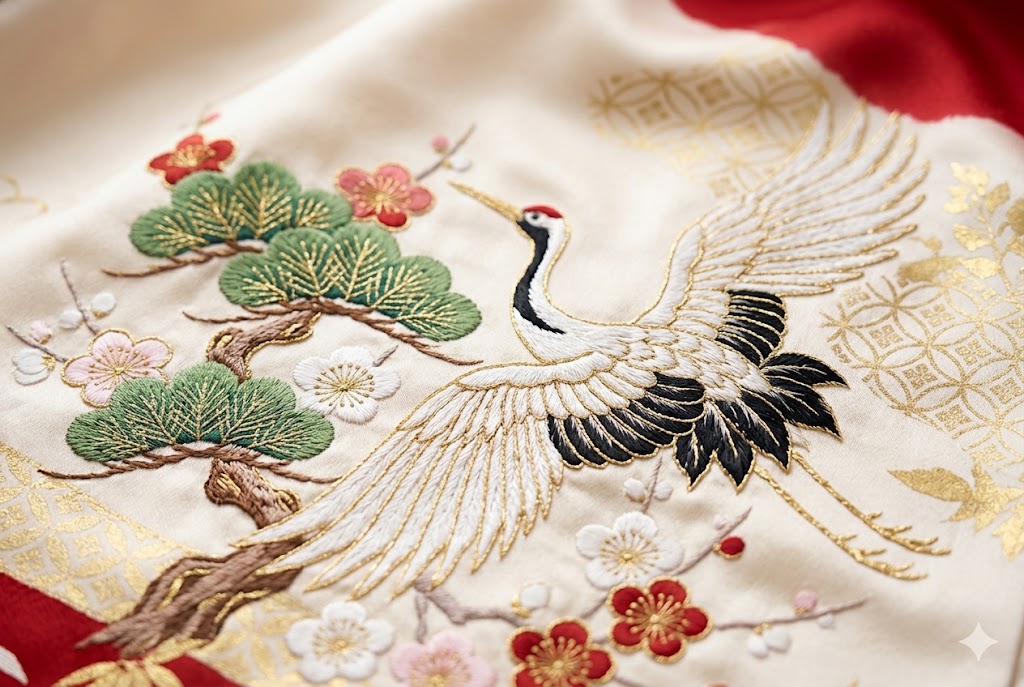
Every pattern on a furisode carries a wish for the person wearing it. A few favorites:
- Cranes — longevity and happiness.
- Pine, bamboo, and plum (shōchikubai) — a classic trio symbolizing good fortune.
- Cherry blossoms and florals — beauty and youth.
There’s a lovely old belief, too: swinging those long sleeves was thought to bring good luck and blessings to the wearer and everyone around her. That’s part of why young unmarried women “swung” their sleeves. Some even say a woman once used the way she swung her sleeves to answer a suitor — yes or no!
If you love decoding the meaning behind Japanese garment designs, you’ll enjoy our deep dive into Demon Slayer kimono patterns and what each one really means.
What the Colors Say
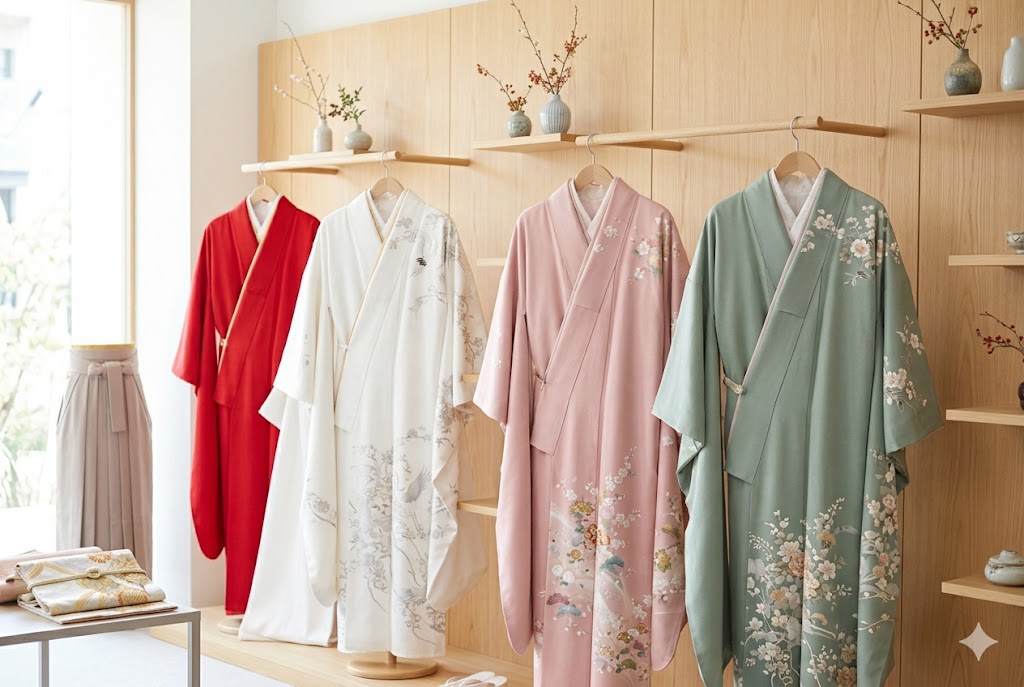
Bright colors are a symbol of youth, so there’s real meaning behind how vivid a furisode tends to be.
- Red — traditional and celebratory, a timeless classic.
- White — purity and a fresh new beginning.
These days, soft muted tones and modern color combinations are popular too, so there’s something for everyone. Half the fun is choosing a shade that suits your skin tone and the mood you’re going for.
Furisode vs. a Regular Kimono — What’s the Difference?
By now you might be wondering: what actually makes a furisode different from a regular kimono?
Here’s the thing — a furisode is a type of kimono. The main differences come down to two things: the length of the sleeves, and who wears it. A furisode is the long-sleeved formal wear for young, unmarried women, while the most formal kimono for married women is the tomesode, which has short sleeves.
The easiest way to tell them apart at a glance is those sleeves — but there’s a little more to it, from the patterns to the occasions each one is worn for. For a full side-by-side look at the difference between a furisode and a kimono, with comparison photos, see our complete furisode vs kimono guide.
Can Visitors Wear a Furisode?
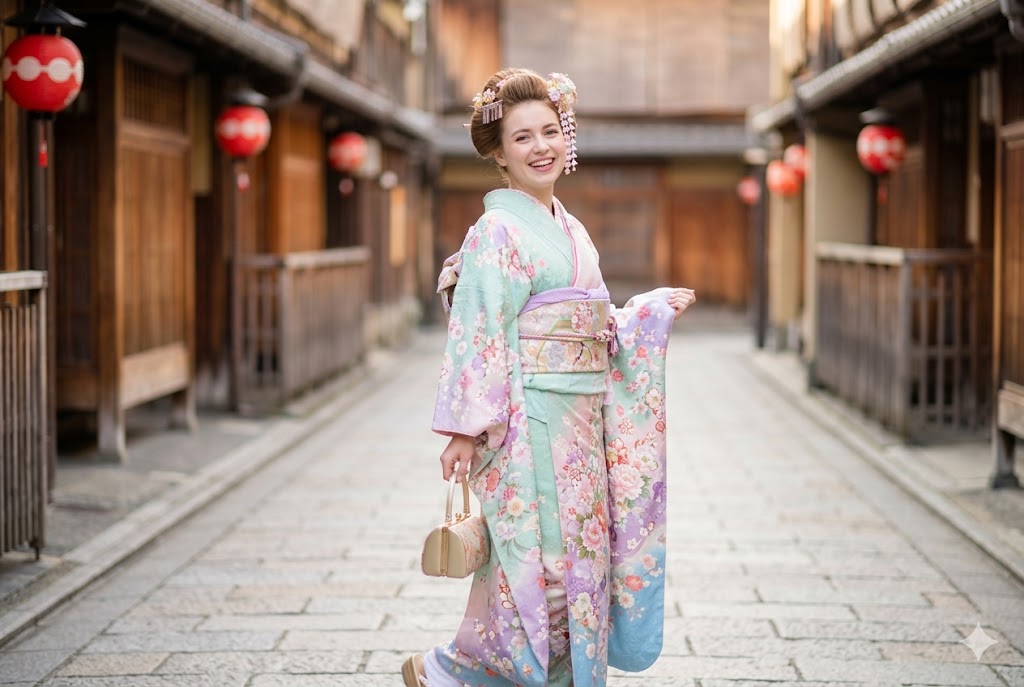
So… can you wear a furisode yourself? Absolutely yes! Many kimono rental shops in Kyoto and Asakusa offer furisode plans.
Choose a plan that includes professional dressing and hairstyling, and you won’t have to prepare a thing. With the streets of Japan as your backdrop, you can capture a truly once-in-a-lifetime photo. Take a look at our Kyoto kimono rental guide to start planning.
Renting vs. Buying
A furisode is quite an investment — buying one can cost anywhere from several hundred thousand yen to well over a million. That’s why so many people choose to rent.
Renting often comes with a complete set — dressing, accessories, and all — which makes it wonderfully easy. On the other hand, some treasure the idea of having their own furisode made as a once-in-a-lifetime keepsake. It really comes down to whether you’d prefer a lasting heirloom or a fuss-free experience.
Frequently Asked Questions
Q. Can I wear a furisode if I’m married?
Traditionally, the furisode is for unmarried women. After marriage, other kimono such as the hōmongi are the usual choice.
Q. Is there a furisode for men?
The furisode is essentially a women’s garment. When men dress formally in Japanese attire — for a coming-of-age ceremony, say — they wear a handsome ensemble called montsuki haori hakama.
Q. At what age is the coming-of-age ceremony held?
Most towns hold it around age 20, though it can vary by region.
Q. Can foreigners wear one?
Of course — you’re very welcome! Renting makes it easy to enjoy the furisode experience.
A Garment for Life’s Special Moments
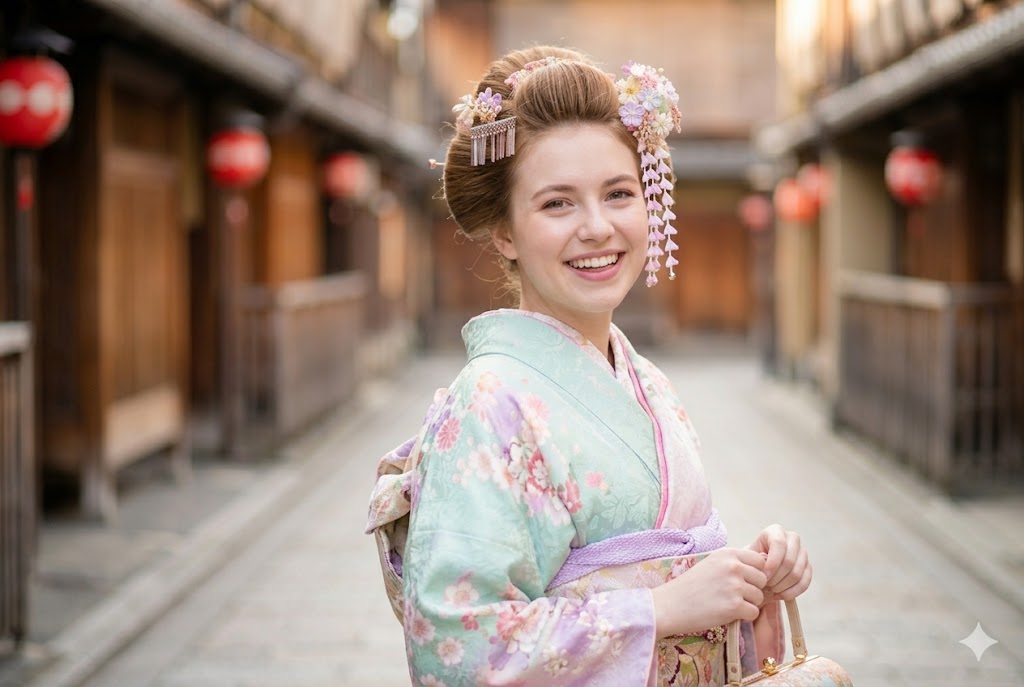
A furisode is a truly special garment, one that lights up life’s milestone moments in Japan. With every sway of those long sleeves comes a wish for youth and happiness. Why not step into this beautiful world on your next trip to Japan — or on a special day of your own?