Yukata, Lanterns & Fireworks: The Perfect Summer Night
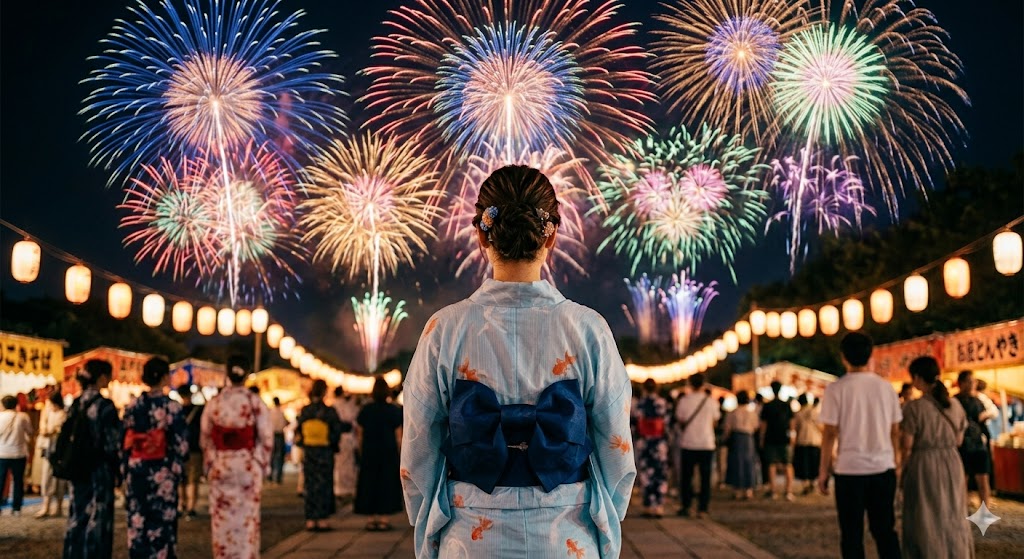
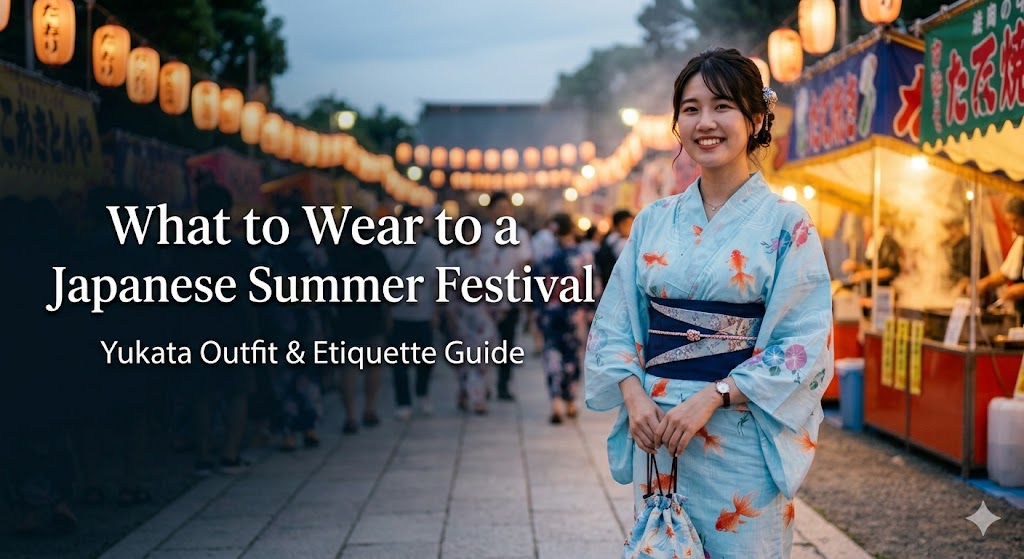
A Japanese summer festival (matsuri) or fireworks night (hanabi) is the perfect occasion to wear a yukata for the first time. Glowing paper lanterns, food stalls, and fireworks blooming across the night sky — experiencing it all in a yukata makes the memory unforgettable. But if it’s your first time, you’re probably wondering: what should I wear, and what are the local rules? This guide covers everything from building your festival yukata outfit to staying cool, what to pack, and the etiquette every visitor should know.
Do You Have to Wear a Yukata?
The short answer: no, a yukata isn’t required. You can absolutely enjoy a festival in comfortable everyday clothes. That said, a yukata instantly lifts the festive mood and looks wonderful in photos, so it’s especially worth it if you want a truly Japanese experience. If you’re worried about the heat or the crowds, a breathable cotton yukata plus a few comfort tips makes a big difference.
Building Your Festival Yukata Outfit
Choosing colors and patterns
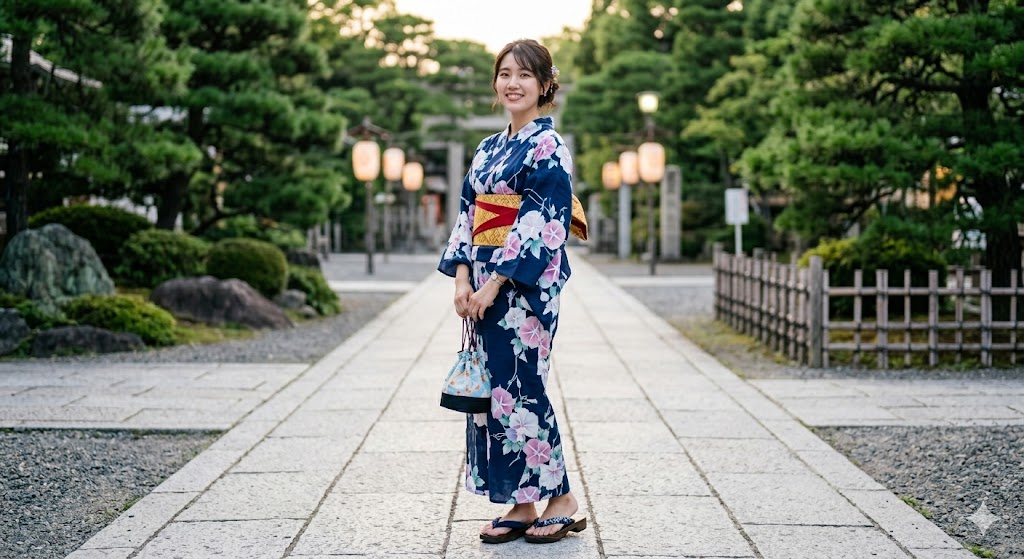
Cool-toned colors (light blue, navy, white) and seasonal motifs are festival favorites because they look so refreshing. Goldfish, morning glories, fireworks, and dragonflies are classic summer designs. Since it gets dark, bright or white-based yukata stand out beautifully against the glow of lanterns and fireworks.
Pulling it together with accessories
An obi, geta, a kinchaku pouch, and a hair accessory instantly turn your look into a complete festival outfit. For a full breakdown, see our complete guide to yukata accessories.
Hair
Updos pair perfectly with a yukata — an exposed nape looks cool and elegant. For ideas, browse our cute kimono hairstyles.
And if you’re not confident about dressing yourself, read our step-by-step guide to wearing a yukata first.
Staying Cool and Comfortable on Your Feet
Summer festivals mean heat, walking, and crowds. These tips make a real difference:
- Wear a yukata slip or a sweat-wicking underlayer.
- Stick a plaster or gel pad on the geta thong to prevent blisters.
- Pack a folding fan or uchiwa in your pouch.
- A small ice pack or handheld fan helps on the hottest nights.
- If you’re not used to geta, practice walking in them a little beforehand.
What to Pack (Inside Your Kinchaku)
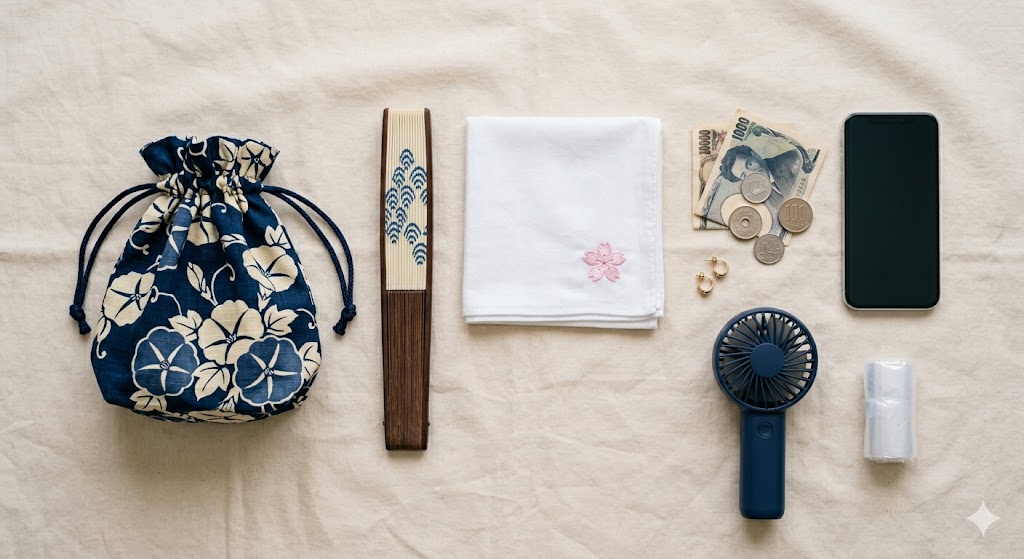
A big bag doesn’t suit a yukata, so keep it minimal in a small kinchaku pouch:
- Cash (most food stalls are cash-only)
- Phone and a power bank
- Handkerchief and tissues
- Plasters (for blisters)
- A folding fan or uchiwa
- A small sweat wipe
- Wasou clips or safety pins — handy for quickly fixing your yukata if it comes loose, especially if you dressed yourself
Festival Etiquette to Know
- Fix any loosening early. If your hem or collar slips, use a wasou clip or safety pin for a quick fix, or retie the waist cord in a restroom.
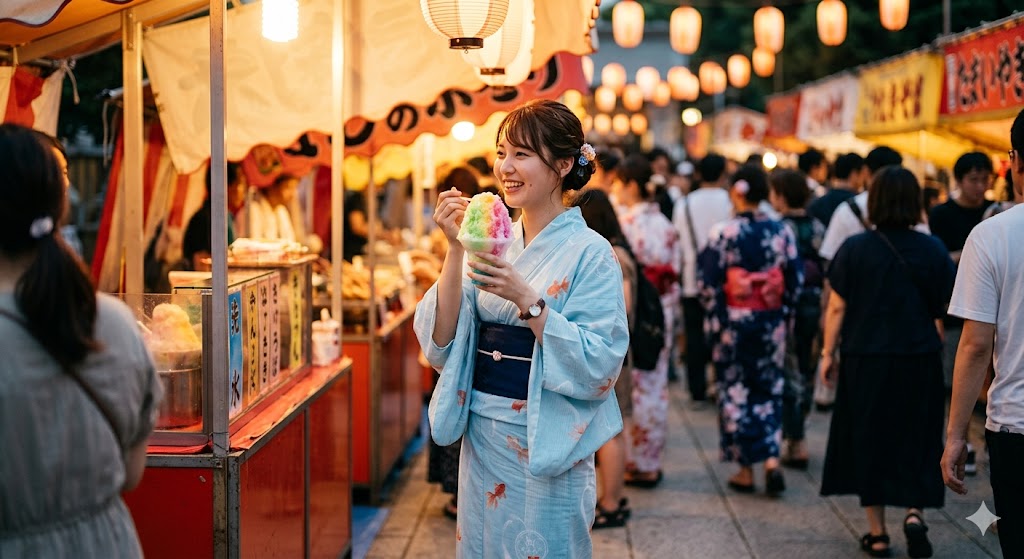
- Don’t eat while walking. In Japan, eating while walking is increasingly discouraged — and sometimes outright banned — at festivals and tourist spots. Buy your food, then stand still near the stall or in a designated eating area to enjoy it. In a crowd it’s also easy to bump into someone and stain a yukata, so hold a handkerchief while you eat. Yukata stains are hard to remove, so take extra care.
- Always take your trash with you. This is a big difference from many other countries: Japanese festival grounds have almost no trash cans. Taking your own rubbish home with you is an absolute rule, so carry a small bag for it. Never leave trash beside a stall or on the ground.
- Mind shrine etiquette. Many festivals have a main shrine hall beyond the stalls. Bow lightly at the torii gate; the basic prayer is two bows, two claps, one bow.
- For fireworks, claim your spot and be considerate in crowds. Big displays fill up fast, so arrive early with a picnic sheet. In crowds, avoid stopping to take photos, and be thoughtful about posting pictures that include other people online.
Common Mistakes to Avoid
- Geta that start to hurt halfway through — prevent it with a practice walk and plasters.
- A big tote that ruins the look — keep it compact with a kinchaku.
- Spilling food on a white yukata while walking — stand still to eat and keep a handkerchief handy.
- Leaving a loosened yukata as is — small, frequent fixes keep you looking neat.
- Searching in vain for a bin — bring your own small trash bag from the start.
Frequently Asked Questions
When are summer festivals held?
Mostly in July and August, ranging from local Bon dances to large fireworks displays.
Where do you get dressed?
Travelers usually either dress themselves in their hotel room or have a rental shop dress them professionally. If you do it yourself, packing a few wasou clips or safety pins makes on-the-spot fixes easy.
Where can I get a yukata?
You can buy one, or rent at tourist areas for convenience. See our yukata rental guide.
Is it really okay not to wear a yukata?
Absolutely. Plenty of people wear comfortable everyday clothes like a T-shirt, shorts, and sneakers — and at fireworks shows with lots of walking, casual clothes are even more common. There’s no need to stress about a dress code.
Final Thoughts
For a festival yukata, you’re all set once you’ve nailed a refreshing outfit, comfort for the heat and walking, a minimal packing list, and a little etiquette. With a bit of prep, you can fully enjoy the night under the lanterns and fireworks. This summer, why not make your festival debut in a yukata you love?